Choosing the right pediatric dental chair is crucial for any dental practice focused on children. Parents want their children to feel safe and comfortable during visits. This highlights the need for specialized equipment designed to meet young patients' unique needs. What are the essential features of a pediatric dental chair?
These chairs should offer adjustable height for ease of use. Comfort is vital, so padding should be soft yet supportive. Colors and themes also play a role; bright, cheerful designs can help reduce a child's anxiety. Additionally, safety features like rounded edges and secure straps are necessary for preventing accidents. These components together create a welcoming environment.
Yet, it’s easy to overlook certain attributes. For instance, some chairs may prioritize style over functionality. This could lead to discomfort and an unpleasant experience for kids. Therefore, assessing the balance between design and essential features is crucial. By understanding these facets, practices can better cater to pediatric patients and their guardians.
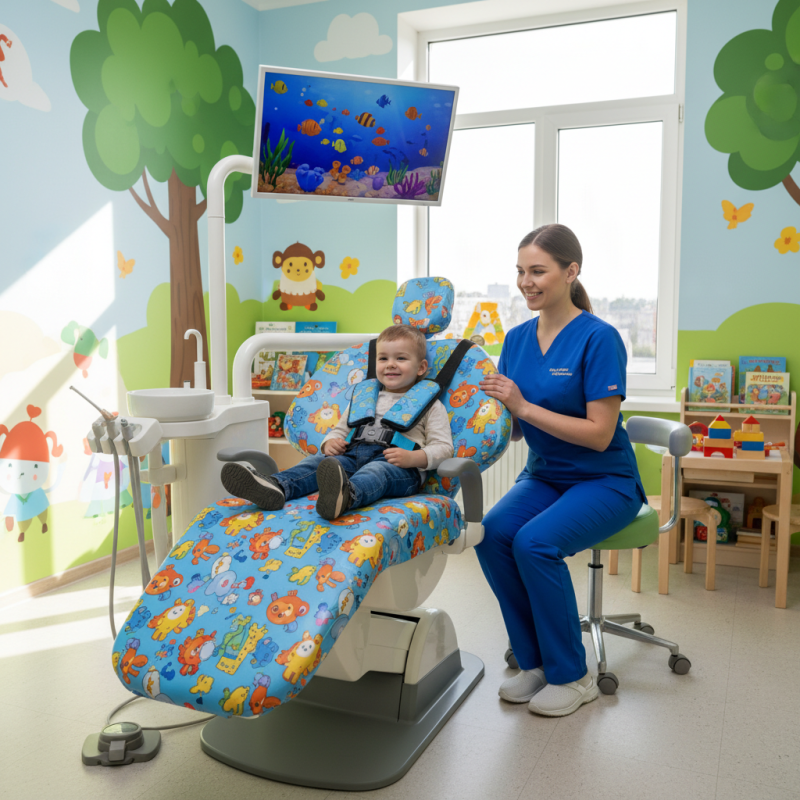
When designing pediatric dental chairs, comfort is a primary concern. The right features can turn a daunting visit into a more pleasant experience. Pediatric dental chairs should offer adjustable heights. This helps accommodate different child sizes and ensures optimal positioning for the dentist.
Colors and shapes play a significant role. Bright colors can capture children's attention, making the environment feel welcoming. Chairs with playful designs or characters can ease anxiety. Incorporating elements like armrests designed for small hands can provide additional support and comfort.
Tips: Ensure the chair has soft, easy-to-clean materials. This makes maintenance simpler and keeps the pediatric office hygienic. Consider adding cushions to enhance the comfort level further. Lastly, test the chair's stability; children move a lot, and safety is paramount. Evaluate how easily a child can climb onto the chair. These small details greatly impact the overall experience.
When designing pediatric dental chairs, safety is paramount. These chairs should include features that cater to the unique needs of children. A four-point safety strap can keep a child securely in place during treatment. This prevents sudden movements that could lead to accidents. Additionally, wide and stable bases are critical. They help prevent tipping, making the dental environment safer.
Another vital aspect is the use of materials. Chairs must be made of non-toxic, easy-to-clean materials. This ensures hygiene and reduces the risk of infections. Pediatric dental chairs should also have rounded edges to minimize the risk of injury. Bright colors and fun designs can help comfort young patients, easing their anxiety.
Regular safety checks should be in place. Equipment can wear out and become less safe over time. Staff training is essential to ensure proper usage of safety features. Engaging with both children and parents about safety can enhance trust. Creating an environment where children feel secure is not merely optional; it’s essential for effective dental care.
Pediatric dental chairs must prioritize adjustability and ergonomics. Children vary in size, age, and comfort needs. A chair that can easily alter its position ensures that kids feel secure. Research shows that ergonomically designed chairs reduce stress for dental professionals, improving their posture during procedures.
Many practitioners overlook the importance of seat height. A study reported that up to 30% of dental professionals experience back pain due to improper positioning. When chairs offer proper alignment for both the child and the dentist, it diminishes long-term health issues. This balance is vital for efficient treatment.
Tips: Ensure the chair features adjustable armrests and lumbar support. Children appreciate a secure, cozy environment. Involve them by allowing some control over their position. Proper adjustability can reduce anxiety and enhance cooperation in young patients.
In modern pediatric dentistry, technology plays a vital role in enhancing patient care. Pediatric dental chairs are now equipped with advanced features that promote both comfort and functionality. These innovations include intuitive control systems that allow dentists to adjust chair positions seamlessly. An ergonomic design ensures that children feel secure during their visits. However, as beneficial as these features are, they must be carefully evaluated for reliability and ease of use.
Another significant aspect of technology integration is the use of digital systems. Many chairs now come with built-in monitors for educational content, helping to engage young patients. This not only distracts them from anxiety but also educates them about dental health. Nevertheless, it’s essential to strike a balance. Too much technology can overwhelm patients or detract from personal interaction. It's crucial for dental practices to ensure technology enhances the patient experience rather than complicates it.
Moreover, the materials used in pediatric dental chairs should be easy to clean and maintain. High-quality upholstery is necessary to withstand wear and tear while keeping hygienic standards. Careful selection of materials reflects a commitment to patient safety. However, not all innovations will suit every practice. Continuous feedback from both patients and dental professionals is necessary to refine these technologies effectively.
Creating a pediatric dental chair involves unique aesthetic considerations. The design must appeal to children. Bright colors and playful shapes can help. These elements make the environment feel inviting. A happy atmosphere reduces anxiety. It encourages young patients to be more approachable during their appointments.
Attention to detail is crucial. Themes like animals or space can spark interest. The chair can have fun patterns. Imagine a chair that looks like a friendly spaceship. Such designs foster a sense of adventure. It shifts the focus from fear to excitement. However, these design choices must also be practical. Chairs need to be functional and safe. They must accommodate various sizes and needs of children.
The choice of materials is another key aspect. Soft, easy-to-clean fabrics are essential. They should be durable enough to withstand wear. Incorporating comfort features is vital. Yet, balancing aesthetics and functionality can be challenging. Designers must constantly reflect on their choices. Ensuring safety must not compromise the visual appeal.
| Feature | Description | Importance |
|---|---|---|
| Adjustable Height | Allows for easy access and comfortable positioning for both the child and the dentist. | Enhances accessibility and ergonomics. |
| Colorful Design | Bright and engaging colors to create a welcoming environment for children. | Reduces anxiety and encourages visits. |
| Safety Features | Includes soft edges, non-toxic materials, and secure harnesses. | Ensures child safety during procedures. |
| Built-in Entertainment | Displays and audio systems designed for children’s movies or games. | Distracts children and makes visits more enjoyable. |
| Tilt Functionality | Allows adjustment of the chair angle for better accessibility and comfort during treatment. | Facilitates better examination and treatment. |
| Durability | Made from high-quality materials to withstand frequent use. | Ensures long-term investment and consistent performance. |
| Easy-to-clean Surfaces | Materials that allow for quick and effective sanitation. | Maintains high hygiene standards in the clinic. |
: Pediatric dental chairs should have a four-point safety strap and wide bases to prevent tipping.
Non-toxic and easy-to-clean materials reduce infection risks. Rounded edges minimize injury potential.
Bright colors and fun designs create a welcoming atmosphere. They can make visits more enjoyable for children.
Adjustability accommodates different sizes and enhances comfort, helping children feel secure during treatment.
Ergonomically designed chairs prevent back pain and improve posture for practitioners. This promotes better treatment.
Correct seat height aligns the child and dentist, reducing long-term pain for the professional. It enhances efficiency.
Designs featuring playful shapes and themes can shift focus from fear to excitement for young patients.
Yes, ensuring safety without compromising visual appeal requires constant reflection and adjustment by designers.
Allowing children some control can reduce their anxiety and foster better cooperation during dental procedures.
Yes, routine inspections are essential. Equipment wear can decrease safety, so vigilance is necessary.
When considering what are the essential features of a pediatric dental chair, several key design elements come into play to ensure a comfortable and safe experience for young patients. Comfort should be prioritized, with padded seating and supportive backrests tailored to the smaller anatomy of children. Safety features, such as rounded edges and non-slip surfaces, are crucial to protect children during dental procedures.
Moreover, adjustability and ergonomics are essential to accommodate varying heights, allowing both patients and dental professionals to achieve optimal positioning. Technology integration, such as built-in entertainment systems or monitoring equipment, enhances the overall care experience by keeping young patients engaged and relaxed. Lastly, aesthetic considerations, including bright colors and fun designs, can make the dental environment more inviting, helping to alleviate any anxiety children may feel about dental visits.

Barclay Medical