How to Choose Between Hydraulic and Electric Dental Units?

Time:2026-04-29 Author:Mason
0%

Choosing the right dental unit is crucial for any practice. When considering a hydraulic or electric dental unit, it's essential to understand their differences. What is the difference between hydraulic and electric dental units? Both systems have unique features that can impact your workflow and patient comfort.

Hydraulic units rely on fluid pressure to operate. They are often more robust and can provide consistent performance in demanding clinical environments. However, they may require more maintenance and can be more complex to install. Electric units, on the other hand, are generally quieter and more efficient. They offer precise control, which can enhance treatment outcomes. Yet, they might not be suitable for all settings due to power constraints.

Evaluating these options involves more than just aesthetics. Considerations like space, power availability, and the specific needs of your practice play important roles. Ultimately, the choice reflects your practice's philosophy and dedication to patient care. Reflecting on these details can lead to a more informed decision-making process, ensuring that your investment aligns with your practice goals.
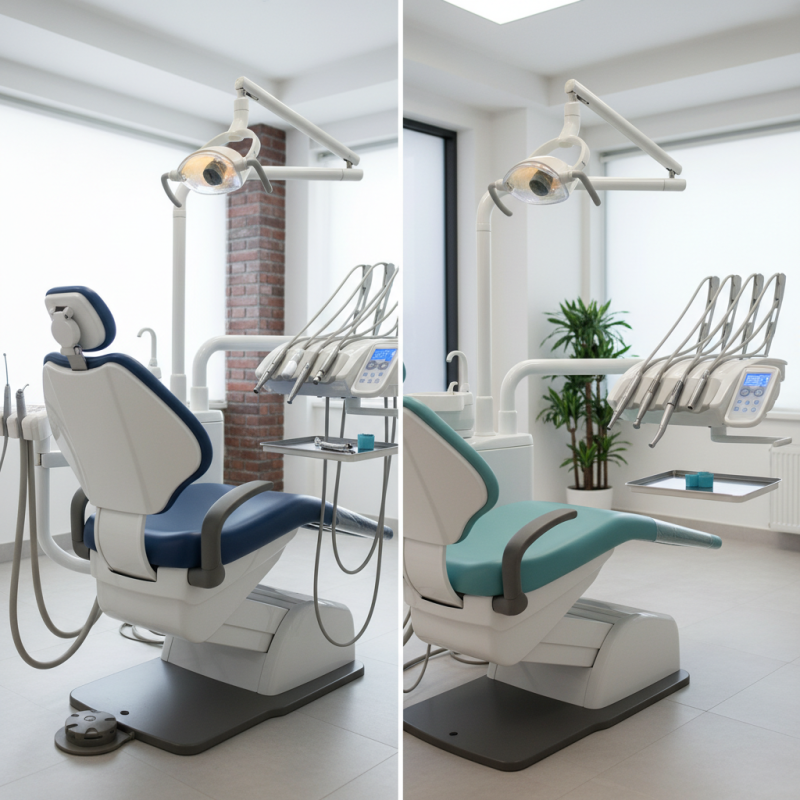
How to Choose Between Hydraulic and Electric Dental Units?

Consider Your Practice Needs and Workflow Requirements

When selecting dental units, consider your practice's workflow and specific needs. Hydraulic units offer reliability and increased torque. They excel in high-demand environments. Conversely, electric units provide precise control and quieter operation. They shine in offices focusing on a meticulous approach.

Data from the American Dental Association indicates that over 70% of practices report efficiency improvements with electric units. However, they may require more maintenance. Hydraulic systems are robust but can lack the precision that some treatments demand. Evaluate patient volume and treatment types regularly.

Tips: Assess your staff's training with each unit type. Regularly solicit feedback on efficiency. Consider routine maintenance schedules to avoid unexpected downtimes.

Evaluate the Power Source: Hydraulic vs. Electric

When choosing a dental unit, the power source is crucial. Hydraulic units operate using pressurized fluids. This system offers strong, consistent force, ideal for heavy-duty tasks. Many dentists appreciate the stability they provide in various conditions. However, hydraulic systems can require more maintenance, raising costs over time.

Electric units use motor-driven mechanisms, delivering precise control. They tend to have quicker setup times. Their compact design permits easier installation in smaller spaces. Yet, electric units may face challenges like power fluctuations. This inconsistency can interrupt procedures. Evaluating the longevity of both systems is essential.

Think about your practice's specific needs. Hydraulic solutions might support extensive procedures, but they come with added complexity. Electric units simplify operation but may require more monitoring. Balancing these factors can shape a more efficient workflow in your dental practice.

Assess Maintenance and Operational Costs

When evaluating hydraulic versus electric dental units, maintenance and operational costs play a significant role. Hydraulic units often incur higher maintenance costs due to their complex systems. Reports suggest that nearly 75% of practices experience pump failures within the first five years, leading to unexpected expenses. Regular maintenance for these units can exceed $2,000 annually.

On the other hand, electric units typically require less frequent service. They are designed with fewer moving parts, significantly reducing wear and tear. A study highlighted that electric units maintain a 30% lower operational cost over a five-year span compared to their hydraulic counterparts. Yet, initial investments can be steep, with installation costs reaching $10,000 or more.

Practices must weigh these factors carefully. An electric unit may lower long-term costs but demands a careful review of initial investments. In contrast, hydraulic systems may appear affordable upfront, yet hidden costs can accumulate. As professionals, staying informed about these differences can guide more sustainable choices for dental practices.

Analyze Noise Levels and Patient Comfort

When choosing between hydraulic and electric dental units, noise levels play a crucial role in patient comfort. Patients often feel anxious in the dental chair. A noisy environment can amplify this anxiety. Electric dental units are generally quieter than their hydraulic counterparts. The smoother operation of electric systems can create a more calming atmosphere. This is important for both anxious patients and those needing longer procedures.

Hydraulic units, while powerful, can produce loud sounds during operation. This noise can be unsettling, especially in a confined space like a dental office. Additionally, vibrations from hydraulic systems may contribute to discomfort for both patients and staff. On the other hand, the quieter nature of electric units can make even lengthy treatments feel less intimidating.

Patient comfort should never be compromised. Create a workspace that prioritizes the experience for patients. Consider soundproofing options and flexible scheduling to minimize wait times. Conducting regular equipment assessments to ensure optimal performance is also vital. A dental unit's choice impacts the overall patient experience. Reflecting on these factors can lead to better decisions that enhance comfort and care in your practice.

Examine Space and Installation Requirements

When selecting between hydraulic and electric dental units, space and installation become crucial factors. Hydraulic units typically require more physical space due to their larger components and the need for a water reservoir. This means you need to plan for adequate room for both the unit and any plumbing connections. In contrast, electric units tend to be more compact. They fit into smaller spaces without sacrificing functionality, making them ideal for limited office environments.

Installation requirements also differ significantly. Hydraulic units may need specialized plumbing and ventilation to operate effectively. This can complicate the setup. You might face challenges with drainage or water supply in older buildings. Electric units, however, usually simply plug into standard electrical outlets. This ease of installation can save time and labor costs, though you should ensure your electrical system can handle the unit's demands.

Consider your office layout and workflow before making a decision. A unit that fits perfectly in your space enhances efficiency. However, rushing into a choice can lead to regrettable mistakes later on. Keeping your specific needs in mind while examining the available options can help you avoid common pitfalls. Pay attention to how each unit aligns with your practice's workflow and patient care protocols.

Comparison of Space and Installation Requirements for Hydraulic and Electric Dental Units

FAQS

: What should I consider when selecting a dental unit?

: Consider your practice's workflow and specific needs. Assess patient volume and treatment types regularly.

What are the differences between hydraulic and electric units?

Hydraulic units offer reliability and increased torque. Electric units provide precise control and quieter operation.

How often do dental units need maintenance?

Hydraulic units often incur higher maintenance costs. Regular maintenance can exceed $2,000 annually for hydraulic systems.

Do electric units have lower operational costs?

Yes, electric units have a 30% lower operational cost over five years compared to hydraulic units despite steep initial investments.

How do noise levels affect patient comfort?

Electric units are generally quieter, creating a calmer atmosphere. Noisy hydraulic units can increase patient anxiety.

Why is patient comfort important in a dental practice?

Patients often feel anxious in the dental chair. A quieter environment can improve the overall experience for them.

Should I seek feedback on equipment efficiency?

Yes, regularly solicit feedback from staff. Their insights can help improve operational efficiency in your practice.

How can I enhance the patient experience?

Consider soundproofing options and flexible scheduling. Regular equipment assessments are also vital for optimal performance.

What hidden costs should I watch out for?

Hydraulic systems may seem affordable upfront but hidden costs can accumulate, especially maintenance and potential pump failures.

Is staff training important when choosing a dental unit?

Yes, assess your staff's training on each unit type. Proper training can enhance efficiency and patient care.

Conclusion

When choosing between hydraulic and electric dental units, it’s essential to consider your practice's specific needs and workflow requirements. Hydraulic units are known for their robust performance and power during treatments, while electric units offer precision and quieter operation, which can enhance patient comfort. Understanding the differences is crucial: what is the difference between hydraulic and electric dental units? Hydraulic units rely on fluid power, making them often more forceful but potentially noisier, whereas electric units use motorized mechanisms for smoother and quieter functionality.

Additionally, evaluating maintenance and operational costs is vital, as electric units typically require less maintenance than hydraulic systems. Noise levels should also be assessed, as electric units generally produce less sound, providing a more pleasant experience for patients. Lastly, consider the space and installation requirements of each type, as this can impact the overall setup of your dental practice. By carefully analyzing these factors, you can make an informed decision that aligns with your operational goals and enhances patient satisfaction.

Mason

Mason

Mason is a seasoned marketing professional with a deep expertise in the company's offerings and a passion for driving brand awareness. With a strong background in digital marketing strategies, he has an innate ability to connect with diverse audiences and effectively communicate product benefits.......