How to Choose Must Have Features for Specialized Implant Dental Units?

Time:2026-06-13 Author:Sienna
0%

Choosing the right features for a specialized implant dental unit is essential for effective practice. Dentists must consider various aspects to ensure optimum functionality. When determining "what features are needed for a specialized implant dental unit," one must prioritize reliability, precision, and ease of use.

It's crucial to focus on ergonomics and user-friendliness. A well-designed unit can simplify procedures and enhance patient comfort. However, striking the right balance between advanced technology and practicality can be challenging. Equipments with features like precise imaging capabilities, integrated surgical guides, and easy sterilization options can significantly improve outcomes. Yet, not all units offer these essential elements.

Moreover, practices might overlook ongoing maintenance and support. Investing in a quality unit is one thing, but understanding how to maintain it is equally important. Features must not only cater to current needs but also adapt to future advancements in dental technology. When evaluating a unit, consider how its features align with your professional goals and patient care standards.
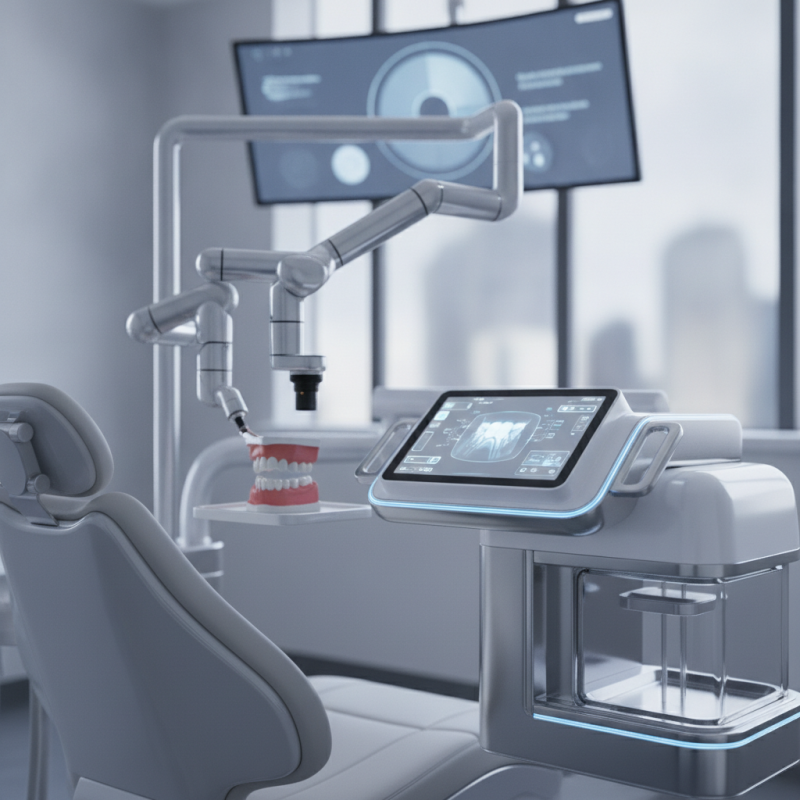
How to Choose Must Have Features for Specialized Implant Dental Units?

Identifying the Essential Features of Specialized Implant Dental Units

When selecting specialized implant dental units, identifying essential features is crucial. A recent survey showed that 70% of dental professionals prioritize ergonomic design. This ensures comfort for both the dentist and the patient during procedures. Additionally, units that include integrated imaging systems enhance diagnostic capabilities. According to research, these systems can reduce diagnosis time by up to 30%.

Another critical feature is the unit’s compatibility with various implant systems. Flexibility allows professionals to adapt to the specific needs of each case. Many dentists report frustrations when a unit lacks universal compatibility. A reliable unit should also have efficient sterilization processes. With infection control being a top priority, features that facilitate easy cleaning are vital.

**Tip:** Evaluate workflows in your practice. Identify if the current setup promotes efficiency and ease of use.

Opt for units with user-friendly interfaces. A complex setup can hinder productivity and lead to errors during procedures. Additionally, consider the availability of customer support and training resources. A unit may have impressive features, but without adequate support, its value diminishes.

**Tip:** Reach out to peers for recommendations. Their experiences can guide your decision-making process.

How to Choose Must Have Features for Specialized Implant Dental Units?

Feature Description Importance Considerations
Surgical Handpiece System Essential for precise and controlled implant placement. High Check for torque settings and ease of use.
Radiographic Capabilities To assist in visualizing bone structure and implant placement. High Look for integrated digital imaging options.
Integrated Software For planning and guiding implant procedures. Medium Ensure compatibility with existing systems.
Sterilization System Critical for maintaining aseptic conditions. Very High Consider an automated system for efficiency.
Patient Management Software To streamline appointments and patient records. Medium Evaluate user-friendliness and support.
Lighting System For providing optimal visibility during procedures. High Adjustable brightness and color temperature are beneficial.

Understanding the Needs of Your Dental Practice for Implant Procedures

When selecting features for specialized implant dental units, it is crucial to understand your practice's specific needs. Each dental practice is unique, defined by its patient demographics and implant procedures. Assessing the requirements involves analyzing your workflow, patient volume, and types of implants you frequently use. A unit should streamline processes for both you and your team, enhancing efficiency during procedures.

Consider the importance of ergonomic design. An intuitive layout can reduce strain, benefiting both the clinician and the patient. Look for features that facilitate easy access to instruments. A clutter-free workspace supports focus and precision. Additionally, integrated digital imaging tools can enhance the planning stage of implant procedures. This speeds up diagnosis and treatment planning, thus improving patient satisfaction.

Reflect on potential gaps in your current setup. Are there areas where time is wasted? Is patient comfort fully addressed? While some features may seem appealing, they must align with your practice goals. Investing in the right technology is essential. Prioritizing reliability and ease of use will help in the long run. Quality should never be compromised for the sake of having the latest gadgets.

Evaluating Technology Options: Digital vs. Traditional Implant Systems

When evaluating technology options for implant dental units, the choice between digital and traditional systems becomes crucial. Digital systems offer immediate benefits, such as improved precision in implant placement. A recent industry report indicated that 85% of dental professionals noted higher accuracy with digital workflows. These systems often feature real-time imaging, which allows for better planning and fewer errors during surgery.

On the other hand, traditional systems are still widely used and valued for their reliability. Some practitioners may hesitate to transition to digital due to perceived costs and training time. In a survey by the American Dental Association, 40% of dentists stated that they prefer traditional methods because of their familiarity. While digital technology has the potential to streamline processes, the integration of these tools requires time and effort, raising concerns about how quickly staff can adapt.

Selecting the right system should consider individual practice needs and patient preferences. A careful evaluation of both options reveals that while digital solutions promise rapid advancements, they may not always be the best fit for every dental practice. Balancing the desire for cutting-edge technologies with the realities of everyday practice can be challenging, prompting many to reflect on their approach to implementing new systems.

Assessing Ergonomics and Efficiency in Implant Dental Units

When selecting specialized implant dental units, ergonomics and efficiency play critical roles. The American Dental Association reports that efficient workflows can reduce operator fatigue by up to 30%. This improvement boosts productivity and enhances patient care. Efficient implant units include user-friendly controls and adjustable settings to accommodate various dental procedures.

Tips: Assess the unit’s accessibility. Can operators easily reach all controls? Efficient designs reduce strain during procedures. Evaluate the layout for optimal workflow, as well.

Ergonomic designs promote better posture and enhance focus. Studies indicate that dental professionals experience lower back pain due to poorly designed setups. Implementing height-adjustable chairs and tables can significantly alleviate this. The right equipment should also allow for multiple positioning options, catering to diverse patient needs and enhancing the overall efficiency of dental practices.

Tips: Regularly evaluate equipment usage. Are staff members satisfied with their comfort levels? Solicit feedback to inform future purchases and adjustments. Prioritizing ergonomic efficiency is essential for long-term success in implant dentistry.

Considering Budget and Investment for Specialized Equipment Choices

In the realm of specialized implant dental units, budget considerations are critical. Understanding your financial capacity is essential before making any equipment choices. Analyzing costs involves more than just equipment price. It also includes maintenance, training, and possible upgrades. These factors can significantly influence your overall investment.

Investing in specialized equipment is not just about current needs. It also reflects your practice's growth and adaptability. Consider how the features of these units can enhance patient care. Features that promote efficiency might come at a higher cost. However, they could result in long-term savings through improved workflow. This balance between cost and functionality is a common challenge.

Moreover, engaging with peers and consulting industry experts can offer new insights. They can provide practical advice on the most valuable features. Their experiences guide you through the decision-making process. Careful research helps you identify reliable vendors. Not all suppliers offer the same support, and vetting them is essential. Ultimately, thoughtful investment contributes to a sustainable practice.

FAQS

: What features should I look for in implant dental units?

: Focus on ergonomic design and integrated imaging systems for improved comfort and diagnostics.

Why is ergonomic design important?

It enhances comfort for both the dentist and patient during procedures. This can reduce stress and fatigue.

How do integrated imaging systems benefit dental practices?

They can reduce diagnosis time by up to 30%, enhancing workflow efficiency.

What is compatibility in implant units, and why does it matter?

Compatibility with various implant systems allows for flexibility in treatment options. Lack of compatibility can frustrate professionals.

What are some infection control features to look for?

Efficient sterilization processes and easy cleaning features are vital to maintain hygiene standards in the practice.

How can I ensure a user-friendly interface in dental units?

Opt for units that provide simple controls. Complex setups can hinder productivity and lead to mistakes.

What role does customer support play in choosing a dental unit?

Good customer support and training resources increase the value of a unit. Without it, even advanced features may falter.

What should I consider when choosing between digital and traditional systems?

Consider precision, familiarity, and the time needed for staff training. A balance between innovation and practicality is key.

Are digital systems always superior to traditional ones?

Not necessarily; traditional systems are reliable and familiar to many. Evaluate your practice's specific needs first.

How can I gather insights before making a purchase?

Reach out to peers for recommendations. Their experiences can provide valuable guidance in decision-making.

Conclusion

Choosing the right features for specialized implant dental units is crucial for optimizing dental practice efficiency and patient outcomes. It begins with identifying the essential features that align with the specific needs of your dental practice, particularly concerning implant procedures. This involves evaluating technology options, distinguishing between digital and traditional implant systems to determine which best complements your workflow.

Moreover, assessing ergonomics and efficiency in implant dental units can significantly enhance the overall user experience for practitioners and improve the speed of procedures. Lastly, considering your budget and investment becomes essential, as it ensures that you acquire equipment that not only meets your clinical needs but also aligns with your financial capabilities. Ultimately, answering the question, "What features are needed for a specialized implant dental unit?" requires a balanced understanding of functionality, technology, ergonomics, and cost-efficiency.

Sienna

Sienna

Sienna is a skilled marketing professional with a deep expertise in our company’s core products and services. With a passion for innovation and detail, she plays a pivotal role in crafting insightful blog posts that not only highlight the unique features of our offerings but also provide valuable......