How to Choose the Best Dental Chair for Your Small Clinic?

Time:2026-03-30 Author:Ethan
0%

Choosing the right dental chair for a small clinic can significantly impact both patient comfort and practitioner efficiency. According to a report by the American Dental Association, nearly 30% of a dentist's work can be improved with the right equipment. A well-designed chair not only enhances workflow but also contributes to better patient satisfaction ratings.

When considering how to choose the right dental chair for a small clinic, factors such as ergonomics, adjustability, and space-saving designs are crucial. Many clinics struggle with spatial constraints. However, a chair that offers multiple functionalities can maximize limited space, making the treatment area more efficient. In a competitive industry, a careful selection can set your clinic apart and enhance your service quality.

Despite these advantages, making a decision can be daunting. You might question whether to invest in advanced features or stick with basic models. It is essential to reflect on your clinic's unique needs. Balancing budget constraints with the desire for quality equipment may require thorough research and expert consultation. Each choice can lead to different outcomes in the long run, impacting both your practice and patient experience.
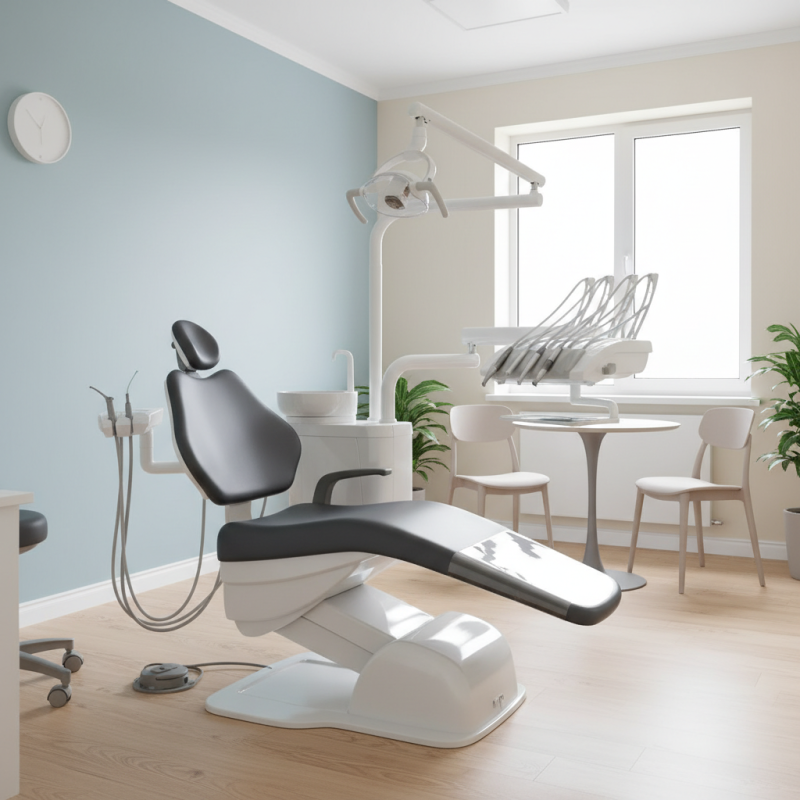
How to Choose the Best Dental Chair for Your Small Clinic?

Understanding the Essential Features of Dental Chairs

Choosing the right dental chair for your clinic is vital. Understanding essential features can improve patient comfort and practice efficiency. A good dental chair should have adjustable height options to accommodate various patient needs. According to a report from the American Dental Association, clinics that invest in ergonomic designs see a 20% increase in patient satisfaction.

Supportive cushioning is another critical feature. Patients spend significant time in dental chairs. Inadequate support can lead to discomfort and anxiety. Research indicates that 63% of patients feel more relaxed in well-cushioned chairs that offer lumbar support. Additionally, the chair should enable smooth repositioning for the dentist and dental hygienist. This accessibility reduces strain during procedures.

Another aspect to consider is the chair’s durability. High-quality materials can withstand daily wear and tear. A report from the Dental Economics Journal highlights that clinics expect chairs to last around ten years. However, not all chairs reach this lifespan. Choosing models with easy-to-clean surfaces is also important. This feature contributes to a hygienic environment, crucial for infection control. Regular maintenance is needed to ensure longevity and reliability.

Evaluating Ergonomics for Dentist and Patient Comfort

When selecting a dental chair for your small clinic, ergonomics is paramount. A well-designed chair can enhance comfort for both the dentist and the patient. Look for a chair with adjustable features to accommodate varying heights and body types. A slight tilt can also help patients feel more relaxed. Consider how easy it is for you to reach your instruments without straining your back.

Comfort is not just about padding. The shape of the chair matters too. A contoured design provides support for the lower back while ensuring that patients feel secure. Test the chair’s reclining capabilities. Ideally, patients should be able to find a position that minimizes anxiety and discomfort. It’s important to listen to their feedback during this process.

A common oversight is neglecting the chair’s material. High-quality upholstery is essential for hygiene but also impacts comfort. Choose materials that are easy to clean and durable. Look for chairs with breathable fabrics to prevent sweating, especially during longer procedures. Your choice might seem small, but it can significantly affect the overall experience in your clinic.

How to Choose the Best Dental Chair for Your Small Clinic? - Evaluating Ergonomics for Dentist and Patient Comfort

Feature Importance Details Recommended Range
Adjustability High Allows customization for various patient sizes and dentist comfort. 5-10 different positions
Padding Comfort High Soft and supportive padding to enhance patient comfort during procedures. Thick padding of at least 3 inches
Ease of Cleaning Medium Material that can be easily sanitized to maintain hygiene standards. Non-porous materials
Weight Capacity High Must accommodate a wide range of patient weights safely. Up to 400 lbs
Foot Control Medium Allows hands-free operation for greater efficiency. Intuitive pedal design
Armrests High Provides comfort and stability for patients. Adjustable height

Comparing Different Types of Dental Chairs on the Market

When selecting a dental chair for your small clinic, understanding the various types available is crucial. There are three main categories to consider: traditional, portable, and specialized chairs. Traditional chairs are sturdy and offer a range of features for comfort. These often come with integrated systems for utilities. Portable chairs, on the other hand, are lightweight and designed for easy transport. They are ideal for mobile practices but may lack advanced functionalities. Specialized chairs cater to specific needs, like orthodontics, offering unique positioning options.

Each type serves different purposes, and the choice will depend on your practice requirements. Traditional chairs provide stability but might take up more space. Portable options allow flexibility but may not be as durable. Specialized chairs often come at a higher cost and may require more frequent maintenance. It's important to consider not just the price but also the longevity and function in your clinic. Small clinics may face space constraints, making the size and design of the chair a key factor.

Evaluating the chair's ergonomics is another essential step. A well-designed chair can improve workflow and patient comfort. However, many clinics overlook these aspects, leading to potential discomfort for both staff and patients. A quality dental chair should support proper posture during procedures. Ignoring this can exacerbate back pain and affect overall efficiency. The right balance between comfort and functionality can significantly impact the success of your practice.

Budget Considerations When Selecting a Dental Chair

When selecting a dental chair for a small clinic, budget considerations are crucial. Dental chairs can range from affordable options to high-end models. It's important to assess what features you truly need. Investing in essential features without overspending can be challenging. A well-structured budget helps in making informed decisions.

Consider not just the price tag but also ongoing costs. Maintenance and repair costs can add up over time. Affordable chairs may require more frequent repairs. Investing a little more upfront might save you money in the long run. Think about warranties and support options; they can enhance reliability. How often will you use the chair? If it’s daily, durability might be worth the extra cost.

Look into financing options as well. Some clinics opt for leasing a chair. This approach spreads out costs. However, check the total payable amount over time. Take time to compare various models and vendors. It’s better to have a short list based on features, reviews, and prices. Prioritize genuine customer feedback over flashy advertisements. Choose wisely to ensure you don’t regret your decision later.

Choosing the Best Dental Chair for Your Small Clinic: Budget Considerations

Assessing Maintenance and Warranty Options for Longevity

When selecting a dental chair for a small clinic, consider maintenance options carefully. Regular upkeep is crucial for longevity. Choose a chair with materials resistant to wear and tear. Vinyl upholstery often proves easy to clean. However, it may harbor bacteria if not maintained properly. Regular cleaning and disinfecting are essential to ensure patient safety.

Warranties play a significant role in your decision. A longer warranty indicates a manufacturer's confidence in their product. However, review the terms closely. Some warranties may include only specific parts or limited labor coverage. You shouldn't assume everything is included. This detail can affect your clinic's budget in the long run.

Regular service checks can mitigate unexpected breakdowns. Some manufacturers offer maintenance packages that ensure optimal performance. Understanding these options allows for better planning and resource allocation. It’s beneficial to reflect on your clinic's workflow and patient load when making these decisions. A poorly maintained chair can lead to inefficient operations.

FAQS

: Why is choosing the right dental chair important?

: A good dental chair improves patient comfort and boosts practice efficiency.

What are crucial features to look for in a dental chair?

Adjustable height, supportive cushioning, and easy repositioning are essential features.

How does cushioning affect patient experience?

Well-cushioned chairs with lumbar support help patients feel more relaxed, reducing anxiety.

What role does chair durability play in selection?

Durable chairs save money over time by lasting longer and needing fewer repairs.

Why should ongoing costs be considered?

Maintenance and repair costs can add up; sometimes cheaper chairs have higher long-term expenses.

Are maintenance options important for dental chairs?

Yes, regular upkeep helps ensure the chair’s longevity and keeps patients safe.

How can warranties impact my decision?

A longer warranty shows confidence, but check what's included; terms can vary significantly.

Is it wise to consider leasing a dental chair?

Leasing can spread out costs, but analyze the total amount payable over time.

How can I gather genuine customer feedback?

Prioritize reviews and testimonials to make informed choices over flashy advertisements.

What happens if a dental chair is poorly maintained?

It can lead to inefficiencies and negatively impact operations in your clinic.

Conclusion

When considering how to choose the right dental chair for a small clinic, it's essential to understand the key features that enhance functionality and patient comfort. A quality dental chair should incorporate ergonomic designs that cater to both the dentist and the patient, ensuring comfort during procedures. Furthermore, evaluating the various types of dental chairs available on the market can help you select one that fits your specific needs.

Budget is another critical factor; it’s important to consider not only the initial cost of the chair but also potential maintenance and warranty options that ensure long-term reliability. By carefully assessing these aspects, you can make an informed decision that will serve your clinic effectively and enhance the patient experience.

Ethan

Ethan

Ethan is a seasoned marketing professional with a deep expertise in our company's innovative product line. With a passion for sharing knowledge and insights, he takes the lead in regularly updating our corporate blog, where he explores industry trends, product features, and effective marketing......