Customizing dental units for left-handed dentists is crucial for their efficiency and comfort. Dr. Emily Wang, a leading ergonomic specialist in dentistry, emphasizes, "A tailored dental workspace improves productivity and reduces strain." This highlights the importance of adapting work environments to suit individual needs.
Left-handed dentists often face unique challenges. Standard dental units are typically designed for right-handed users, leading to awkward positions and decreased comfort. Customizing these units can greatly enhance their workflow. It’s not just about rearranging tools; it's about rethinking the entire setup.
Understanding how to customize a dental unit for left-handed dentists involves recognizing their specific needs. The positioning of instruments, the orientation of lights, and the layout of the workspace are all vital considerations. It raises questions about existing setups and encourages continual improvement. Every detail matters in creating a more inclusive dental practice environment.
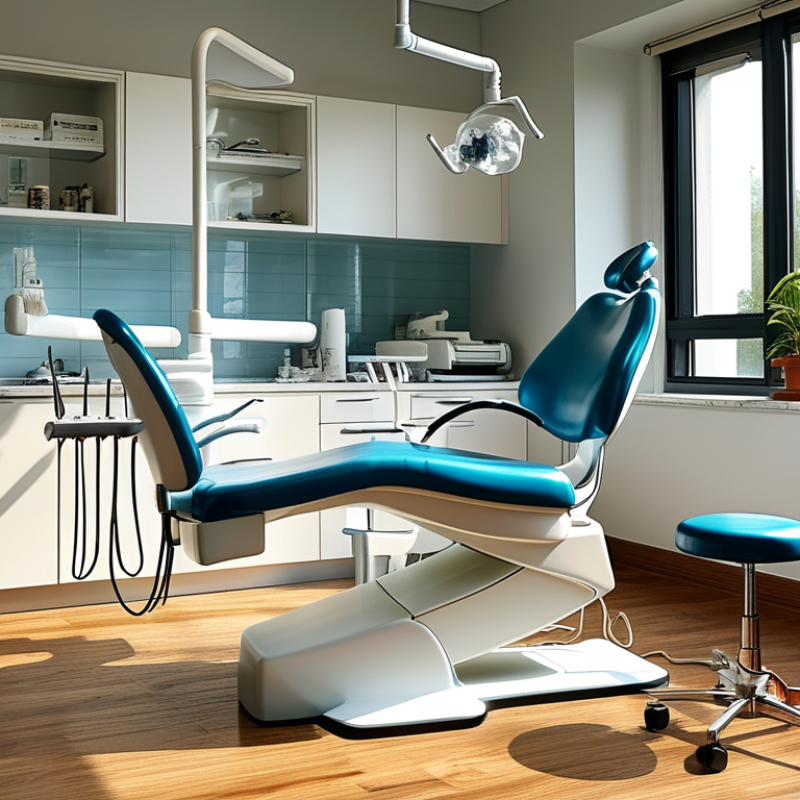
Ergonomics plays a crucial role in dental practice, especially for left-handed dentists. Studies indicate that around 10% of the population is left-handed, yet the majority of dental equipment is designed with right-handed users in mind. This oversight can lead to discomfort and inefficiency during procedures. A recent report from the American Dental Association highlighted that improper ergonomics can increase the risk of musculoskeletal disorders. Left-handed dentists often have to adapt by compromising their posture, which can increase the likelihood of fatigue and pain over time.
Customizing dental units is essential to address these challenges. For example, customizable armrests and the positioning of handpieces can significantly improve comfort. A well-reported case study showed that ergonomic adjustments led to a 40% reduction in reported discomfort among left-handed practitioners. Additionally, the layout of instruments within reach is crucial. Many left-handed dentists find themselves repeatedly adjusting their bodies to access tools, which strains the back and neck. Providing a customized workspace is not just beneficial; it’s necessary for long-term career sustainability.
Interestingly, many dental schools do not include ergonomic training specific to left-handed practitioners in their curricula. This lack of education perpetuates the challenges they face in professional settings. As the industry moves forward, addressing these ergonomic needs will be vital for enhancing the efficiency and wellbeing of left-handed dentists. Failure to do so can lead to high turnover rates in this niche group, representing a loss not only for the individuals but for the dental community as a whole.
: About 10% of dentists are left-handed. Most units are designed for right-handed use. This creates difficulties for left-handed professionals.
Important features include ambidextrous instruments and adjustable tool placements. A well-positioned delivery system also matters.
Ergonomic designs help reduce strain. Proper seating can improve posture, enhancing comfort during long procedures.
Effective training can increase comfort and productivity. Workshops focusing on individual preferences improve satisfaction levels.
Technology solutions like adjustable lights enhance visibility. Easy access to instruments reduces stress during dental work.
Many left-handed dentists feel their needs are overlooked. Feedback can improve training resources and make education more inclusive.
Movable trays and well-placed tools allow for smoother workflows. These adaptations lead to better patient interactions and efficiency.
Institutions should include mock setups for practice. Supportive environments can boost the skills of aspiring left-handed dentists.
Proper lighting reduces glare and improves visibility. This adjustment is crucial for comfort during detailed procedures.
Yes, customized units can make a difference. Many left-handed dentists express the need for better accommodations in their work environments.
Customizing dental units for left-handed dentists is crucial for optimizing their work environment and enhancing patient care. Understanding the importance of ergonomics, it is essential to tailor dental units to accommodate left-handed users by analyzing key features such as instrument placement and accessibility. Additionally, customizing handpieces and instruments can significantly improve workflow efficiency, allowing left-handed dentists to perform procedures comfortably and effectively.
Moreover, integrating technology solutions can further enhance comfort and accessibility, ensuring that left-handed dentists have the tools they need at their fingertips. Providing adequate training and support tailored specifically for left-handed practitioners is another best practice, ensuring they can confidently navigate their customized settings. Thus, the question of how to customize a dental unit for left-handed dentists encompasses a multifaceted approach that prioritizes their unique needs and professional efficiency.

 Barclay Medical