Dental care is essential for overall health. However, the tools used in dental offices also play a critical role. One of the most vital components is the water used in dental chairs. Why do dental chairs use distilled water? This question leads us to explore key factors behind this choice.
Distilled water is free from impurities and microorganisms. The dental environment must be sterile to ensure patient safety. Using distilled water helps prevent infections. It minimizes the risk of introducing harmful bacteria during procedures. Many dental professionals advocate for this practice, citing its effectiveness.
Despite its advantages, some might question why distilled water is necessary at all. Tap water could be more convenient. But it carries risks that could affect patient care. The benefits of using distilled water outweigh these considerations. In the pursuit of optimal safety and health, every detail counts. Choosing distilled water is part of maintaining high standards in dental practice.
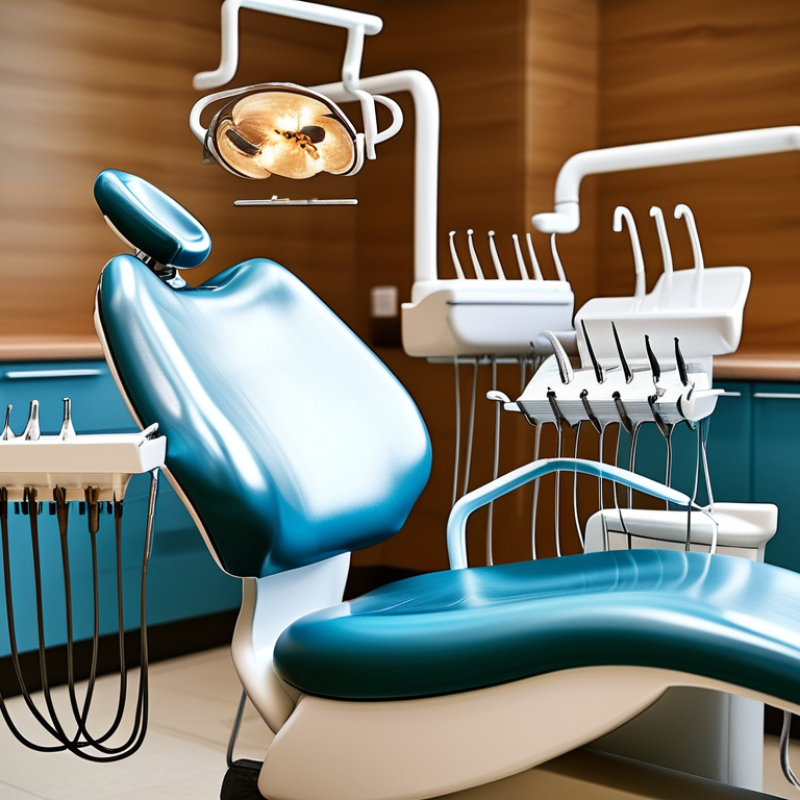
In dental practices, the choice of water is crucial for patient safety.
Distilled water is preferred because it is free of impurities. Tap water can contain minerals and bacteria, which may compromise equipment and patient health. Distilled water reduces the risk of infection during procedures.
Using distilled water also ensures the longevity of dental equipment. Many tools are designed to work optimally with pure water. Contaminants in regular water can lead to buildup. This can increase maintenance costs over time.
Despite these benefits, some dental practices still use tap water. This decision often stems from a desire to cut costs. Yet, the potential risks to patient safety cannot be overlooked. Thus, a careful consideration of water sources is essential in maintaining high standards in dental care.
Contaminated water poses serious health risks during dental procedures. A study from the Centers for Disease Control and Prevention (CDC) highlights that over 50% of dental patients are exposed to unsafe water. The bacteria and microorganisms found in non-distilled water can lead to infections. This is especially concerning in procedures involving the oral cavity.
Inadequate water quality can also affect treatment efficacy. For instance, water that contains certain pathogens can compromise the sterilization of dental instruments. According to a report from the American Dental Association, using distilled water effectively reduces the risk of biofilm formation in dental units. This practice ensures that the water remains free from contaminants during procedures, protecting both patients and dental professionals.
While many dental practices implement this precaution, some still use tap water. This raises questions about consistent safety standards in dentistry. Continuous monitoring and training are essential to address these issues. Dental professionals must prioritize patient safety by using distilled water to mitigate potential health dangers. Ensuring optimal safety through proper water usage reflects a commitment to patient care and industry standards.
| Contaminant Type | Health Risks | Common Sources | Recommended Solutions |
|---|---|---|---|
| Bacteria | Infection, Periodontal disease | Tap water, unclean dental equipment | Use distilled or sterilized water |
| Fungi | Allergic reactions, Oral infections | Poorly maintained water lines | Regular cleaning and disinfection protocols |
| Legionella | Legionnaires' disease, Pneumonia | Water stagnation in pipes | Flushing water lines, using barrier filters |
| Protozoa | Gastrointestinal illnesses, Infection | Contaminated water supplies | Employing reverse osmosis systems |
Dental chairs are essential for providing optimal patient care. They require a reliable source of water to ensure hygiene and safety. Many dental offices choose distilled water over tap water. This choice is rooted in health considerations.
Tap water often contains minerals and contaminants, which may lead to biofilm formation in dental equipment. Distilled water, on the other hand, is free from these impurities. This significant difference ensures that dental instruments operate safely. They are less likely to foster harmful bacteria when using distilled water.
Tips: Regularly check the water source in your practice. Consider installing filtration systems for additional safety. Also, routinely monitor the water quality to maintain optimal usage conditions. This prevents potential issues down the line and keeps your practice running smoothly.
While distilled water is safe, there are some nuances. Practitioners must recognize the importance of maintenance in dental chair systems. Neglecting regular cleaning can lead to complications, even with the use of distilled water. It's crucial to balance safety measures with routine upkeep.
This chart illustrates the comparison between distilled water and tap water concerning various safety dimensions relevant to dental settings. Distilled water is shown to have significantly lower contaminants, a stable pH level, no taste issues, negligible mineral content, and minimal bacterial count, making it the safer choice for dental chair usage.
In dental practices, water quality is critical. The American Dental Association (ADA) recommends the use of distilled water in dental chairs. This ensures a high level of safety for both patients and practitioners. Distilled water is free from contaminants and microbes, reducing the risk of infection.
Regulatory standards for water quality in dentistry are strict. The Centers for Disease Control and Prevention (CDC) guidelines recommend that dental unit water should have a maximum of 500 CFU/mL of heterotrophic bacteria. Yet, studies show that many dental practices struggle to meet these standards. Quality control is essential. Regular testing of waterlines is often overlooked, leading to potential health risks.
Many dental professionals may not realize the importance of using distilled water. It provides a reliable baseline for safety. On the other hand, some dental offices still rely on tap water. This choice can introduce harmful bacteria. Therefore, understanding the implications of water quality is crucial for maintaining optimal safety in dental care.
Maintaining water systems in dental chairs is crucial for safety and hygiene.
Distilled water is essential for preventing bacterial contamination. Tap water can lead to biofilm growth, posing risks to patients.
Regular monitoring of water quality is vital to ensure cleanliness.
Tips: Always flush the water lines daily. This practice helps remove any stagnant water and debris.
Use filtration systems to maintain the quality of distilled water.
Regular maintenance checks are necessary. Inspect water reservoirs for cleanliness and leaks.
Empty and clean these reservoirs at least once a month. This reduces the risk of bacterial build-up.
Tips: Keep a maintenance log. Tracking cleaning times and procedures helps ensure consistency.
Encourage staff to report any issues with the water system promptly.
Communication is key to maintaining a safe environment.
: Contaminated water can lead to infections and compromise treatment effectiveness during dental procedures.
Distilled water is free from impurities, reducing the risk of biofilm formation and harmful bacteria in dental equipment.
Regular checks are essential. This ensures the water quality remains optimal and prevents potential health risks.
The CDC recommends dental unit water should contain no more than 500 CFU/mL of heterotrophic bacteria.
Using tap water may introduce harmful bacteria and compromise patient safety during dental procedures.
By consistently using distilled water, implementing filtration systems, and regularly monitoring water quality.
Regular maintenance and cleaning of dental chairs and water lines are often neglected, which can lead to complications.
No, safety measures must be balanced with routine upkeep and maintenance for optimal results.
Some may not recognize the importance of water quality, leading to potential health risks.
They should prioritize using distilled water and regularly evaluate their water quality and systems for cleanliness.
Dental practices prioritize patient safety, which is why dental chairs use distilled water. Distilled water minimizes the risk of introducing harmful contaminants during procedures, as tap water can harbor bacteria and other impurities that pose health risks. By utilizing distilled water, dental professionals ensure a higher standard of cleanliness and reduce the likelihood of complications associated with contaminated water.
In addition to health considerations, regulatory standards for water quality in dentistry reinforce the necessity of using distilled water. These standards help maintain the integrity of dental water systems, emphasizing the importance of proper maintenance. By adhering to best practices for water quality management in dental chairs, dentists can further safeguard patient health and enhance the overall efficacy of their treatments.
Barclay Medical