Ensuring the safety and hygiene of dental procedures is critical. One often overlooked aspect is the dental unit water line. So, how often should a dental unit water line be disinfected? Dr. Emily Johnson, a leading expert in dental infection control, emphasizes, "Regular disinfection of water lines is essential to prevent contamination."
Dental unit water lines can become breeding grounds for bacteria if not properly maintained. Regular disinfection helps to mitigate the risk of infection in patients. Many practices, however, do not follow the recommended protocols consistently. The lack of standardization raises concerns about patient safety and overall treatment outcomes.
Patients deserve assurance that they are receiving care in a safe environment. Based on industry guidelines, disinfection should occur frequently, yet the specifics can vary. It's important for dental professionals to reflect on their practices and commit to maintaining strict hygiene standards for water lines. Doing so not only protects patients but also upholds the integrity of the dental profession.
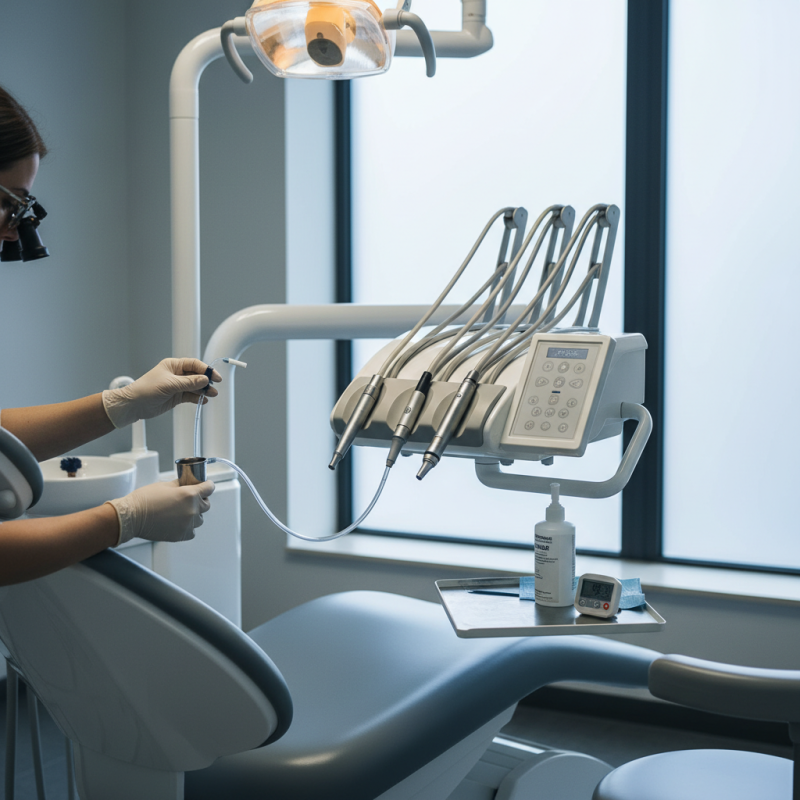
Disinfecting dental unit water lines is crucial for patient safety. Water lines can harbor harmful microorganisms. According to the Centers for Disease Control and Prevention (CDC), biofilms can develop in water lines, posing a risk of infection. Regular disinfection helps mitigate these risks.
In the dental setting, water quality is paramount. Microbial counts in untreated water lines can exceed safe limits. A study published by the American Dental Association found that nearly 50% of dental units tested showed contamination. This highlights the need for stringent disinfection protocols. Implementing a routine disinfection schedule significantly reduces microbial counts.
Tips:
Dental unit water lines (DUWLs) are crucial for safe dental practices. However, they can harbor harmful pathogens if not properly maintained. The Centers for Disease Control and Prevention (CDC) recommends that dental practices disinfect their water lines at least once a week to ensure safety and compliance. Regular disinfection helps mitigate biofilm formation, which can lead to increased bacterial counts.
A 2020 study indicated that improper maintenance could elevate microbial counts to levels unsafe for patient procedures. In this study, 43% of dental practices failed to meet recommended water quality standards. This statistic is a call to action. Regular monitoring and consistent disinfection protocols are essential for achieving optimal water quality.
The American Dental Association (ADA) supports frequent disinfection as part of best practices. Routine checks and disinfection can prevent potential outbreaks of infections transmitted through dental water lines. Yet, many facilities still overlook this critical aspect of hygiene. The lack of adherence to guidelines may compromise patient safety, raising concerns about the overall quality of care in dental practices. Disinfection is not simply a recommendation—it is a necessity.
Dental unit water lines (DUWLs) can harbor biofilms and pathogens. Regular disinfection is crucial. The CDC recommends flushing water lines prior to patient treatment and suggests disinfection methods. Options include chemical agents, heat, or ultraviolet light. Chemical disinfectants are popular for their ease of use.
A recent study indicates that chlorine dioxide can effectively reduce bacterial counts in DUWLs. However, it's essential to follow the manufacturer's instructions carefully for optimal results. Another approach involves using enzymatic cleaners, which can break down biofilms. Users should be aware of the potential for varying effectiveness among methods.
Routine maintenance schedules are often overlooked. Many dental practices may disinfect their water lines infrequently. A survey found 30% of practices disinfect less than quarterly. This lack of adherence can lead to increased risk of contamination. Establishing a regular protocol is vital. It helps ensure patient safety and compliance with health regulations. Proper education on these methods can improve practices and ultimately benefit patient care.
Dental unit water lines play a crucial role in dental procedures. However, they are often overlooked when it comes to maintenance. Regular disinfection of these lines is essential. There are clear signs that indicate it's time for a thorough cleaning. If you notice an unusual odor coming from the water lines, this is a warning sign. A foul smell often suggests bacterial growth, which can pose health risks.
Another indication is the presence of visible discoloration in the water. If the water appears cloudy or has a strange tint, it could mean contamination. This discoloration can deter patients and affect the quality of treatment. It’s important to perform regular checks to catch these signs early. Regular audits not only ensure safety but also build trust with patients.
Stagnant water can also be an issue. If the dental unit is not used frequently, water may sit in the lines longer than recommended. This can lead to biofilm development, which is difficult to remove. Keeping track of your schedule will help maintain water quality. Awareness and proactive measures are crucial to prevent larger problems down the line. Taking these steps is vital for providing a safe dental environment.
Poorly maintained dental unit water lines can pose significant health risks to patients. When bacteria proliferate in these systems, they can lead to serious infections. Studies indicate that dental water lines may harbor biofilms that can release harmful pathogens into the water used during procedures. Ensuring the safety of these water lines is essential for patient health and the overall credibility of dental practices.
Tips for proper maintenance include regularly testing water quality. Routine disinfection is crucial. This should involve flushing the lines and using appropriate disinfectants. Maintaining a consistent cleaning schedule helps prevent biofilm formation. Staff training is vital; all team members should understand water line protocols.
Additionally, be observant of any changes in water clarity or odor. These can indicate contamination and should be addressed immediately. Developing a reliable monitoring system will promote accountability. Taking action when problems arise is crucial for patient safety, reflecting the commitment of the dental practice to uphold health standards.
: Regular disinfection is essential to prevent biofilms and pathogens, ensuring patient safety.
Unusual odors and discoloration in water are clear indicators of contamination.
Many practices disinfect infrequently. Aim for routine maintenance at least quarterly to avoid contamination.
Yes, chemical agents are popular for their ease of use, but techniques vary in effectiveness.
Perform a thorough cleaning immediately to avoid health risks and maintain treatment quality.
Yes, stagnant water can lead to biofilm growth, complicating cleaning efforts.
Proper education can improve cleaning practices, benefiting patient care and compliance with health regulations.
Yes, alternatives include heat and ultraviolet light for disinfection.
They help identify contamination early, ensuring safety and building patient trust.
Increased risk of contamination occurs, which can impact patient safety and care quality.
Disinfecting dental unit water lines is crucial to ensure the safety and health of patients. Contaminated water lines can harbor harmful microorganisms that may lead to infections and other health complications. Therefore, dental practitioners must understand how often should a dental unit water line be disinfected to maintain a safe environment.
The recommended frequency of disinfection varies, but it is generally advised to perform this task daily or weekly, depending on usage and local regulations. Various methods, such as chemical agents or sterilization systems, can be employed to disinfect these lines effectively. Additionally, signs such as discoloration of water, unpleasant odors, or patient complaints can indicate the need for immediate disinfection. Neglecting the maintenance of water lines can severely impact patient health and the overall reputation of a dental practice.

Barclay Medical