Installing a new dental chair involves various critical considerations. One of the most pressing questions often arises: "What are the plumbing requirements for a new dental chair?" According to Dr. Mark Thompson, a leading dental equipment specialist, “Proper plumbing is essential for the chair’s functionality and hygiene.”
Understanding plumbing needs is vital for any dental practice. A dental chair requires water supply, drainage, and sometimes compressed air. Each of these systems must be carefully planned before installation. Without proper plumbing, chairs may not operate efficiently. Additionally, hygiene issues can arise if drainage is inadequate.
Planning the plumbing system demands expertise. Experienced technicians can create a layout that ensures optimal functionality. However, even skilled professionals sometimes overlook details that can impact long-term use. Regular evaluations of plumbing systems are necessary, as changes in dental procedures may require updates. Prioritizing the right plumbing setup will lead to smoother operations and enhanced patient care.
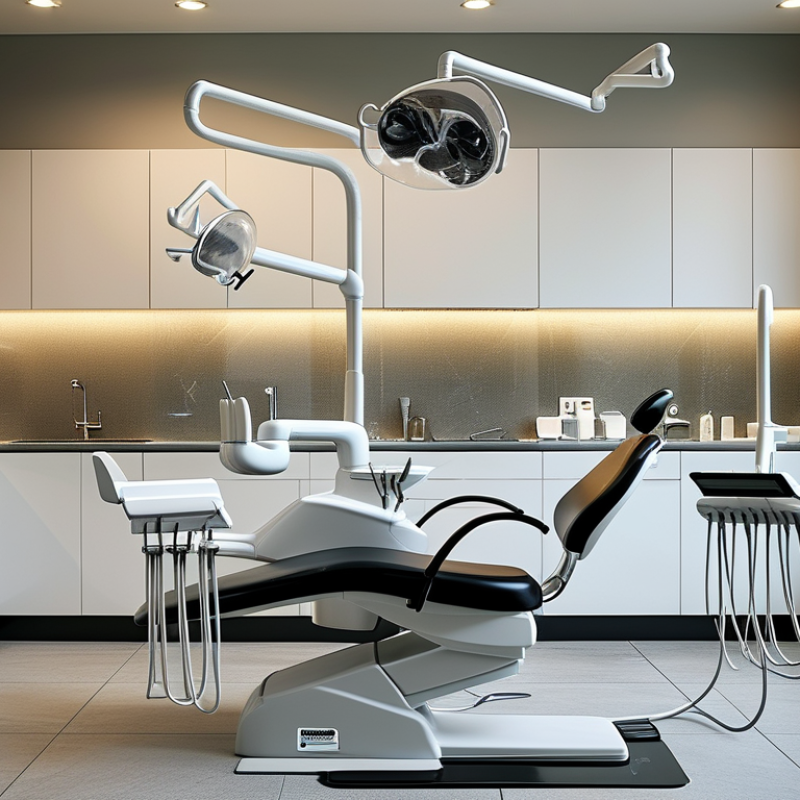
Understanding the Basic Plumbing Needs for a Dental Chair Installation
When installing a new dental chair, understanding its plumbing requirements is crucial. A dental chair needs a reliable water supply and efficient drainage systems. Typically, these chairs require cold and hot water connections for various functions, including rinsing instruments and providing patient comfort. The water lines should meet local codes and must be installed by a qualified professional to ensure safety and compliance.
Moreover, the drain system must handle wastewater effectively. This involves installing a dedicated drainage line that connects to the building's plumbing. Plumbing layouts can vary, leading to potential challenges during installation. It's essential to think about access points for maintenance. Sometimes, incorrect placements can cause future leaks or blockages. Engaging with experienced plumbers can help identify potential pitfalls in the plumbing setup.
In addition, considering the placement of other equipment is vital. The dental chair should have enough space around it for efficient workflows and easy access to plumbing fixtures. Poor layout decisions can lead to increased costs later on. Evaluating these needs carefully will lead to a successful dental chair installation and optimized functionality in the dental practice.
Assessing the Space Requirements for Plumbing Infrastructure
When assessing the space requirements for plumbing in a dental practice, several factors come into play. Dental chairs require specific plumbing configurations to ensure functionality. According to the American Dental Association, plumbing for dental units should ideally be designed to meet standard water pressure of 45 to 60 psi. This is crucial for equipment that relies on consistent water supply.
The plumbing layout must accommodate both water and drainage systems. Adequate space around the dental chair is essential. Generally, a minimum of 12 inches of clearance around the chair is recommended. Such space allows for easy access to plumbing connections and maintenance. A report from the Centers for Disease Control and Prevention highlights that improper plumbing can lead to cross-contamination, emphasizing the need for compliance with health regulations.
Moreover, integrating modern plumbing systems might entail higher initial costs but offers long-term reliability. Dental practices often overlook the importance of efficient plumbing. A well-planned infrastructure can reduce downtime. It's vital for practices to work with professionals to ensure installation meets local codes, which often vary. Planning for future expansion is key, as dental practices evolve with technology and patient needs.
Plumbing Requirements for New Dental Chairs
This bar chart displays the recommended plumbing requirements for a new dental chair installation, including water supply, drainage pipe diameter, pressure requirements, and distance from the plumbing source. Proper assessment of these requirements ensures efficient and effective setup of dental chairs.
Identifying Water Supply and Drainage Specifications
When setting up a new dental chair, understanding water supply and drainage specifications is crucial. Ensure the chair's location has easy access to cold and hot water connections. A typical dental chair requires a supply of clean water for various procedures, making proper plumbing essential. The ideal water pressure for dental equipment is usually between 20 to 80 psi. Assess the local water pressure to confirm it meets these standards.
Drainage is another critical aspect. Dental procedures generate waste water, which must be effectively drained. A dedicated drain line should be installed close to the dental chair. It should be equipped with a trap to prevent odors from escaping into the treatment area. Ensure that the drain has sufficient slope for proper drainage. Without this, clogs can occur, leading to costly interruptions in service.
Consider potential plumbing challenges like space limitations. Older buildings may have outdated plumbing systems that do not meet modern needs. It’s important to evaluate the existing infrastructure before installation. Professional plumbing consultation can help identify these issues early on. Address these areas to avoid future complications and to maintain a smooth workflow in the dental practice.
How to Determine Plumbing Requirements for a New Dental Chair?
| Specification |
Details |
| Water Supply Line |
1/2 inch diameter PEX or copper pipe |
| Water Pressure Requirement |
Minimum 30 PSI, ideal 40-60 PSI |
| Drainage Line Diameter |
2 inch diameter for waste drain |
| Air Supply Requirement |
Compressed air line, 90-120 PSI |
| Backflow Prevention |
Required to prevent contamination |
| Installation Height for Supply |
Typically 12-18 inches from the floor |
| Accessibility Requirements |
Must comply with local plumbing code |
Evaluating Local Codes and Regulations for Dental Chair Plumbing
When evaluating the plumbing requirements for a new dental chair, local codes and regulations play a crucial role. Each municipality has specific plumbing standards that must be adhered to when setting up a dental practice. For example, the American Dental Association (ADA) recommends that dental units must connect to a water supply meeting potability standards. This ensures the safety of both patients and practitioners.
Compliance with local plumbing codes is not just a formality; it's essential for the smooth operation of a dental practice. According to the Center for Disease Control and Prevention (CDC), improper plumbing can lead to cross-contamination risks. Many states require backflow prevention devices to protect potable water systems. Ignoring these codes can lead to legal repercussions or even health risks. Additionally, dental practices are expected to meet requirements set by the Occupational Safety and Health Administration (OSHA) regarding waste disposal and sanitation.
While regulations provide a framework, they can also present challenges. Variations in local codes may create confusion. For instance, some areas may require specific pipe sizes or materials, which could differ from national standards. Practitioners need to verify what is applicable in their region. The plumbing setup may require flexibility in design to meet varying standards. An understanding of those codes and adjustments will ultimately promote a compliant and efficient dental environment.
Planning for Future Maintenance and Accessibility in Plumbing Design
When designing plumbing for a new dental chair, future maintenance and accessibility are crucial. According to the American Dental Association, over 30% of dental practices face unexpected plumbing issues within the first five years. Proper planning can significantly mitigate this risk.
Accessibility in plumbing design involves ensuring that all fittings and connections are easy to reach. A report by the National Institute of Health emphasizes that over 40% of plumbing failures arise from inadequate maintenance access. Incorporating easily removable panels can streamline repairs. However, many practices overlook this aspect, leading to increased downtime.
Furthermore, consider the layout of dental facilities. A study from the Journal of Dental Science reveals that poor plumbing design can lead to reduced efficiency in dental operations. Investing time in thoughtful layout and accessibility can yield long-term benefits. Regular inspections should be scheduled to maintain plumbing efficiency, as neglect can lead to costly repairs. Planning today can prevent headaches tomorrow.
Conclusion
When considering the installation of a new dental chair, it's crucial to understand the basic plumbing requirements that ensure optimal functionality. What are the plumbing requirements for a new dental chair? Key aspects include assessing the space needed for plumbing infrastructure and identifying the specific water supply and drainage specifications needed for effective operation.
Moreover, it's essential to evaluate local codes and regulations that govern dental chair plumbing installations, as adherence to these guidelines ensures compliance and safety. Planning for future maintenance and ensuring accessibility in plumbing design can also contribute to the longevity and efficiency of the setup, making the installation process smoother and more effective for dental practices.

 Barclay Medical