Determining the standard height for dental operating lights is crucial for effective clinical practice. In dentistry, a well-positioned light enhances visibility and reduces strain on the practitioner. According to industry guidelines, the optimal height typically ranges from 36 to 48 inches above the treatment area. This allows for adequate illumination while accommodating the varying heights of dental chairs.
What is the standard height for a dental operating light? Research shows that a standard height ensures efficient workflow and patient comfort. A study from the Journal of Dental Research indicates that 85% of dental professionals found that proper light positioning improved their procedural accuracy. However, decisions about height can often be influenced by factors like room layout and individual practitioner preferences.
Adjusting heights based on specific cases is necessary. For instance, treating pediatric patients may require lower light positioning. Addressing these details can impact treatment outcomes. Dental practices must remain adaptable, prioritizing both ergonomics and patient safety. These elements highlight the importance of thoughtful equipment placement in optimizing dental procedures.
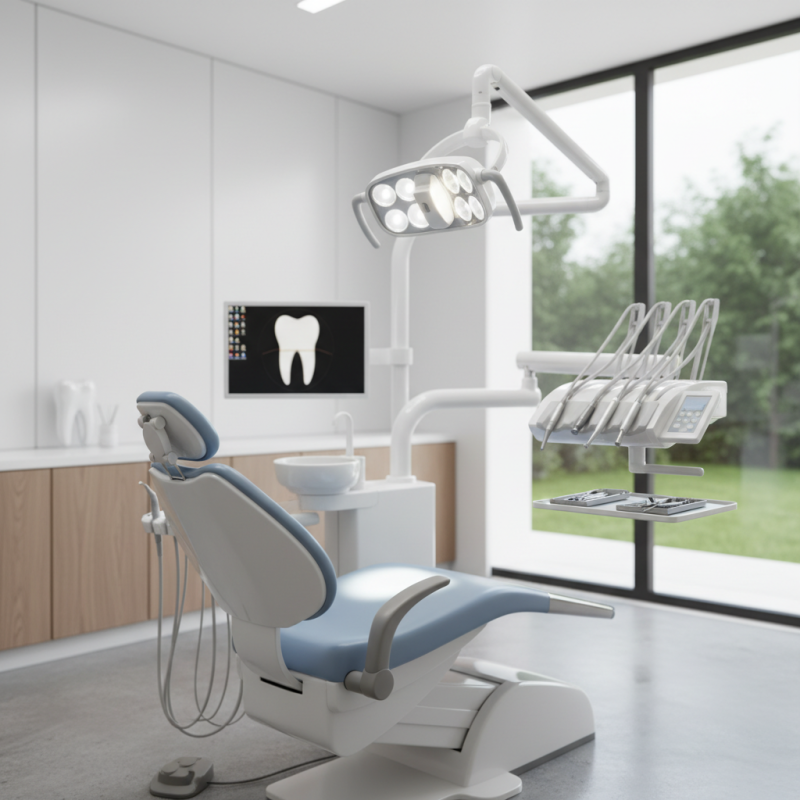
When determining the optimal height for dental operating lights in clinics, several factors come into play. The primary goal is to provide adequate illumination while ensuring comfort for both the dentist and the patient. Typically, the lights should be positioned between 40 to 70 inches from the floor. This range accommodates various dental procedures and allows for flexibility based on the chair's height.
The angle and distance of the light are equally important. It is essential to assess how shadows might form during different procedures. If the light is too high, it may create shadows that hinder visibility. Conversely, a lower light might cause glare. Regular evaluations are important. Dental professionals should consider conducting frequent assessments to ensure their lighting is still effective as new equipment, or patient demographics change.
Moreover, it is crucial to involve the entire dental team in discussions. A collaborative approach ensures all perspectives are considered. Staff members often have valuable insights based on daily experiences. Reflecting on past adjustments to lighting can also provide context. Changes may be necessary, and being open to feedback can enhance the clinic's operational efficiency.
When deciding the height for dental operating lights, adherence to industry standards is crucial. Research shows that optimal light placement enhances visibility during procedures. Typically, lights are positioned between 36 to 48 inches above the patient’s mouth. This range accommodates most dentists' working heights. Variability exists based on clinical practices and staff preferences.
However, factors like chair design and room layout can affect these standard heights. Over time, many dental professionals find themselves adjusting lights constantly. This can lead to discomfort and decreased efficiency during procedures. It’s essential to regularly evaluate how well the light suits individual practice needs. Not every practice utilizes the same equipment or spaces, prompting a need for flexibility.
Additionally, ongoing advancements in LED technology and design necessitate a reevaluation of the standards. Some newer models allow for better adjustability and focus on light positioning. Regular assessments can help in maintaining optimal heights and enhancing procedural outcomes. Continuous feedback from staff can reveal insights into their comfort during operations.
In surgical settings, light intensity plays a crucial role. The right level of brightness can enhance visibility, which ultimately affects outcomes. Too dim lighting can lead to misjudgments during procedures. Conversely, overly bright lights may cause glare, leading to discomfort for both surgeons and patients. Striking this balance is essential for optimal performance.
Surgical teams should assess the specific needs of each procedure. Some operations require more focused illumination on smaller areas. Others may benefit from broader light coverage. Research indicates that inadequate lighting can lead to complications. These complications emerge from reduced accuracy and increased surgery time. This understanding encourages continual assessment of light setups.
Practitioners must remain mindful of their working environment. Regular evaluations can help ensure that lighting meets the necessary standards. Feedback from surgical staff can provide insights into light performance. Adjustments may be needed based on individual experiences. A culture of open communication fosters improvements in the surgical setting.
| Study ID | Operating Light Height (cm) | Light Intensity (Lux) | Surgical Outcomes (Complications %) | Surgeon Satisfaction (Scale 1-10) |
|---|---|---|---|---|
| 1 | 150 | 1200 | 5 | 9 |
| 2 | 160 | 1500 | 3 | 10 |
| 3 | 140 | 1000 | 7 | 8 |
| 4 | 155 | 1300 | 4 | 9 |
| 5 | 165 | 1400 | 2 | 10 |
When setting dental operating light heights, ergonomic considerations are essential. The ideal height allows detailed visualization without causing strain on the dentist’s neck or back. It is vital to position the light between 30 to 40 inches above the patient’s mouth. This range accommodates most practitioners and helps in maintaining a proper posture during long procedures.
A common oversight is ignoring the variability among different operators. Each dentist has unique preferences for light positioning based on their height and working style. Observing how different professionals adjust their lights can reveal insights. It's not uncommon for some to find the standard height uncomfortable. Flexibility and adaptability in settings are crucial for creating an optimal working environment.
Moreover, lighting quality must also be considered. If the light's intensity is too harsh or too dim, it can lead to eye strain. Regular checks and adjustments may be necessary to ensure that the light provides adequate illumination. These small details often get overlooked, but they can have a significant impact on the operator's comfort and effectiveness over time.
When determining the standard height for dental operating lights, adjustments for different patient heights and treatment types are crucial. Dentists often face varied scenarios in their practices. For instance, a child requires a different light height compared to an adult. Positioning the light too high can cause shadows. If it's too low, it can obstruct the dentist's view. Each treatment type may also necessitate a different lighting approach. Complex procedures often require focus and clarity, demanding optimal light positioning.
Practitioners should consider patient comfort and accessibility. Patients with disabilities may need specific adjustments. This can involve lowering the lights for wheelchair access or angling them for better visibility. Practical considerations often come into play. Inadequate lighting might lead to errors or improper diagnoses. Dentists are tasked with balancing functionality and patient care. An often overlooked detail is the cleanliness of the light fixtures. Keeping these lights free of dust can enhance visibility, ensuring the quality of care remains high. Continuous reflection on these aspects leads to improved practices and outcomes.
: Dental operating lights are usually positioned between 36 to 48 inches above the patient's mouth.
Regular adjustments help maintain comfort and efficiency during procedures, reducing strain on the dentist and enhancing visibility.
The ideal light height should be between 30 to 40 inches to support proper posture and reduce neck or back strain.
No, each dentist has unique preferences. Variability in height can affect comfort and productivity.
Light height needs adjustments for patients of various heights, such as children or those in wheelchairs, to prevent obstruction.
Proper light intensity is crucial. Too harsh or dim lighting can cause eye strain and impact the effectiveness of the procedure.
Clean light fixtures improve visibility and ensure high-quality care, reducing the risk of errors during treatments.
If lights are positioned incorrectly, shadows can interfere with visibility, potentially leading to misdiagnoses or errors in treatment.
Continuous feedback from staff can provide insights into comfort levels and the efficiency of light settings during operations.
Yes, newer models allow more adjustability and focus on better positioning, which may require reevaluation of current standards.
Determining the optimal height for dental operating lights is essential for ensuring both effective illumination and ergonomic comfort in clinical settings. The article explores various factors that influence the standard height for a dental operating light, focusing on industry standards and comprehensive reviews of current practices. It highlights the impact of light intensity on surgical outcomes, emphasizing that proper lighting significantly enhances procedural accuracy and patient safety.
Ergonomic considerations are also crucial when setting the height of dental lights, as operators must maintain comfort during lengthy procedures. Additionally, the article discusses how adjustments may be needed for different patient heights and treatment types to ensure that every patient receives adequate lighting. Ultimately, addressing the question, "What is the standard height for a dental operating light," is key to improving both the practitioner's effectiveness and the overall patient experience in dental clinics.

Barclay Medical