How Often Should You Disinfect Dental Unit Water Lines?

Time:2026-08-06 Author:Liam
0%

In dental practices, maintaining clean and safe water lines is essential. Experts emphasize the importance of regular disinfection. According to Dr. Sarah Thompson, a leading dental hygienist, “Disinfecting dental unit water lines is crucial for patient safety.” This highlights the need for strict protocols.

Many practitioners wonder, "How often should a dental unit water line be disinfected?" The answer can vary based on specific circumstances. Regular monitoring of water quality is essential. Yet, many professionals overlook this task or do not adhere to recommended schedules. Such oversights can lead to potential health risks.

Frequent disinfection helps prevent biofilm buildup. Biofilm can compromise water quality. Ultimately, the cost of neglecting this process can exceed the effort of maintaining clean lines. Addressing this issue requires ongoing education and a commitment to safety standards in dental hygiene.
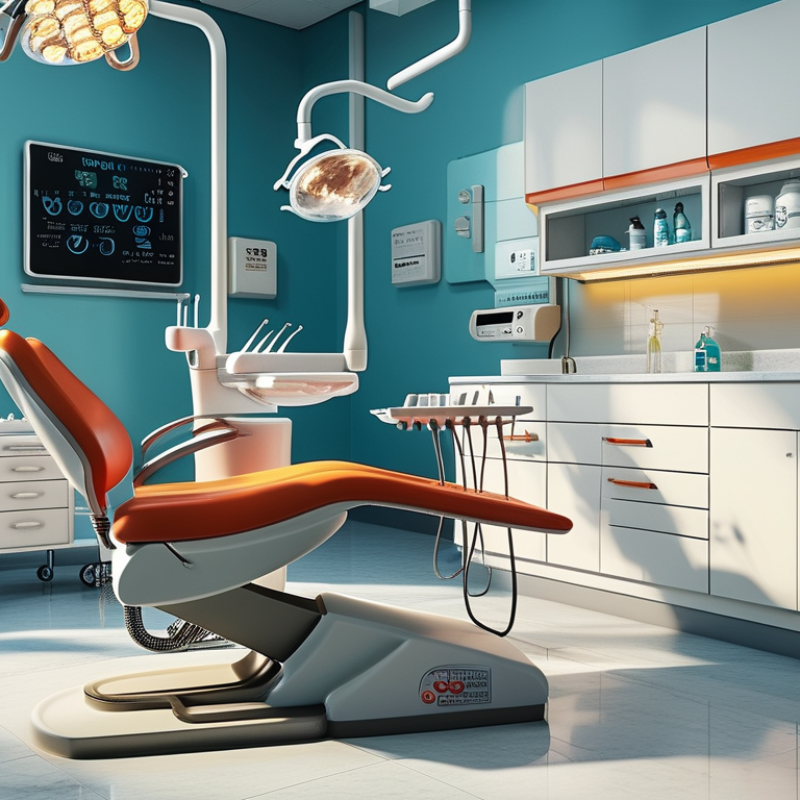
How Often Should You Disinfect Dental Unit Water Lines?

Understanding Dental Unit Water Lines and Their Importance

Dental unit water lines are vital for oral healthcare. They provide water for dental procedures, but they can also harbor bacteria. According to the Centers for Disease Control and Prevention (CDC), biofilm can form in these lines and lead to contamination. This can pose health risks to both patients and dental professionals. Regular disinfection is essential to minimize these risks.

The ADA recommends that dental units should be flushed for at least 2 minutes at the beginning of each day. Additionally, water lines should be disinfected weekly. Studies show that routine maintenance can reduce bacterial levels significantly. For instance, a report published in the Journal of the American Dental Association noted a reduction in pseudomonas aeruginosa after proper disinfection protocols were followed. However, not all dental practices consistently adhere to these guidelines, highlighting an area for improvement.

In some practices, water quality monitoring is lacking. This oversight can lead to untreated water flowing through dental equipment. A survey indicated that about 30% of dental practices do not test their water lines regularly. Increased awareness and education on this issue are crucial. Adopting best practices ensures patient safety while fostering a culture of care in the dental environment.

Signs Indicating the Need for Disinfection of Water Lines

Dental unit water lines require regular disinfection to prevent contamination and ensure patient safety. Signs indicating the need for disinfection are often subtle yet significant. One clear indicator is cloudiness in the water. If you notice visible debris or sediment, the water lines could be harboring harmful microorganisms. Similarly, an unusual odor can signify contamination. A foul smell suggests that bacteria may be present. Both of these observations should prompt immediate action.

Another sign to watch for is the frequency of water line use. In busy practices, water lines may be subject to higher bacterial growth. If the practice has not disinfected recently, it is vital to assess the microbial levels. Additionally, if you observe an increase in patient complaints about dental procedures involving water, this might reflect underlying issues in water quality. Regular testing programs can help identify these issues before they become serious problems.

The importance of staff training also cannot be overlooked. Team members should be aware of these signs and protocols. However, some practices may lack routine checks, indicating a need for improvement. Fostering a culture of vigilance will ultimately protect both patients and practitioners. Each sign should be taken seriously and addressed promptly.

Recommended Frequency for Disinfecting Dental Unit Water Lines

Disinfecting dental unit water lines is essential for patient safety. According to the Centers for Disease Control and Prevention (CDC), dental unit water should meet drinking water standards. Regularly disinfecting these water lines is crucial for reducing microbial contamination. The CDC recommends that dental practices disinfect water lines between patients and at the start of each clinic day.

The recommended frequency for disinfection varies. Some experts suggest daily disinfection to maintain optimal water quality. Others recommend weekly or monthly approaches, depending on usage. A report published by the American Dental Association indicates that biofilms can form in water lines if left untreated for extended periods. These biofilms harbor bacteria like Legionella, which can pose significant health risks.

Practices that neglect regular disinfection can encounter issues. Some clinics have reported increased patient infections linked to contaminated water lines. Maintaining cleanliness should not be an afterthought. Having a solid protocol for water line disinfection is a pivotal step in ensuring the safety of dental procedures. Regular monitoring and adherence to established guidelines can improve outcomes and build trust with patients.

How Often Should You Disinfect Dental Unit Water Lines? - Recommended Frequency for Disinfecting Dental Unit Water Lines

Frequency Recommendation Method Notes
Daily Flush water lines Use sterile water Prevent biofilm growth
Weekly Disinfect water lines Use approved disinfectant Follow manufacturer's instructions
Monthly Perform a thorough cleaning Ultrasonic cleaning suggested Check for blockages
Quarterly Calibrate water line system Professional service recommended Ensure optimal performance
Annually Full system assessment Inspect all connections Replace worn-out parts

Best Practices for Effective Disinfection Procedures

Maintaining clean dental unit water lines is essential for patient safety. Regular disinfection helps prevent biofilm formation and pathogen growth. Best practices for effective disinfection procedures can greatly reduce health risks.

One effective method is to use a chlorine dioxide solution. This approach targets biofilm efficiently. Additionally, it’s important to flush water lines daily, especially before treating patients. Flushing helps remove any debris or contaminants that may have built up overnight. You might want to check your water quality regularly. Consider using water testing kits to ensure your lines remain compliant with safety standards.

Another vital tip is to document your disinfection procedures. Keeping records can help identify patterns or issues that may arise over time. If an unusual growth is detected, immediate action should be taken. It is essential to ensure all staff are trained on these practices. Training foster awareness of the importance of these measures. A well-informed team is crucial for maintaining hygienic conditions in your practice.

Frequency of Disinfection for Dental Unit Water Lines

This chart illustrates the recommended frequencies for disinfecting dental unit water lines. The majority of dental practices should aim for daily and weekly disinfection procedures to ensure effective hygiene and prevent contamination.

Consequences of Neglecting Water Line Disinfection in Dentistry

Neglecting the disinfection of dental unit water lines can have serious consequences for both patients and practitioners. Studies indicate that up to **80%** of dental units can harbor harmful microorganisms. These bacteria can contaminate the water used during procedures, leading to potential infections or diseases. Reports show that improper maintenance may result in a 20-fold increase in bacterial counts, underscoring the importance of regular sanitation.

Infection control is critical in a dental practice. A lack of efficient water line disinfection can expose patients to pathogens such as Legionella and Pseudomonas. These bacteria can trigger severe health complications, including pneumonia and systemic infections. Furthermore, dental professionals risk their credibility when patients suffer from preventable infections linked to unclean water lines. The need for routine maintenance cannot be overstated, as studies suggest that practices that implement regular disinfection protocols notice a significant decrease in bacterial levels.

It’s easy to overlook water line maintenance amidst a busy schedule. However, doing so poses a threat to patient safety and professional integrity. Dental practitioners must recognize that even minor lapses can lead to significant health risks. Reflecting on this, it's crucial to establish a consistent water line disinfection schedule to safeguard both patients and the practice's reputation.

FAQS

: What are dental unit water lines?

: They supply water for dental procedures and can harbor harmful bacteria.

Why is the disinfection of water lines important?

Regular disinfection minimizes health risks from bacterial contamination for patients and dental professionals.

How often should dental units be flushed?

They should be flushed for at least 2 minutes daily at the start of each day.

What indicates that water lines may need disinfection?

Signs include cloudiness, unusual odors, and visible debris in the water.

How can busy practices affect water line safety?

Higher patient volumes can increase bacterial growth, requiring more frequent monitoring and disinfection.

What common oversight do dental practices have regarding water lines?

Many do not test their water lines regularly, leading to untreated water issues.

Why is staff training important in dental practices?

Staff should recognize signs of contamination and adhere to disinfection protocols for safety.

How can routine maintenance impact bacterial levels?

Regular disinfection significantly reduces bacterial counts, improving overall water line safety.

What should practices do if they notice patient complaints related to water?

They should assess and address the microbial levels in their water lines.

What area is often highlighted for improvement in dental practices?

Consistent adherence to water line maintenance guidelines is a common gap.

Conclusion

Dental unit water lines play a critical role in ensuring safe dental practices, but they are susceptible to microbial contamination. Understanding when and how to disinfect these lines is essential for maintaining patient safety. Signs that indicate the need for disinfection include discoloration, unpleasant odors, and visible biofilm.

As for the main question, "How often should a dental unit water line be disinfected?" it is recommended that dental unit water lines be disinfected at least once a week, although more frequent disinfection may be necessary in high-use settings. Implementing best practices during disinfection procedures can significantly enhance effectiveness and prevent the growth of harmful pathogens. Neglecting regular disinfection can lead to serious health consequences for both patients and dental professionals, underscoring the importance of maintaining rigorous hygiene protocols in dental practices.

Liam

Liam

Liam is a dedicated marketing professional with a profound expertise in the industry, where he excels at highlighting the unique advantages of our core products. With a keen understanding of market trends and consumer needs, Liam frequently updates our company’s professional blog, providing......