How to Ensure Oil Free Air is Essential for Dental Procedures?

Time:2026-06-07 Author:Charlotte
0%

Ensuring oil-free air is crucial in dental practices. Patients expect a precise, safe environment, especially during procedures. Why is oil-free air necessary for dental procedures? Contaminants in compressed air can lead to infection or compromised treatment results. Dental tools often rely on air pressure for function. Any oil present may contaminate the tools and the dental work itself.

Moreover, the presence of oil can cause irritation for patients. Over time, it creates a layer of residue that is difficult to clean. This can undermine the trust between dentists and patients. Patients may wonder if their safety is prioritized. Thus, maintaining oil-free air enhances overall care quality. Dental teams must regularly monitor and maintain their air supply systems. Consistent checks can prevent contamination effectively.

However, ensuring oil-free air requires diligence. Some practices may overlook this aspect due to time or resource constraints. It’s vital to address these challenges head-on. Dental professionals should prioritize education about the importance of oil-free air. By fostering awareness and implementing rigorous maintenance protocols, dental practices can safeguard patient health and satisfaction.
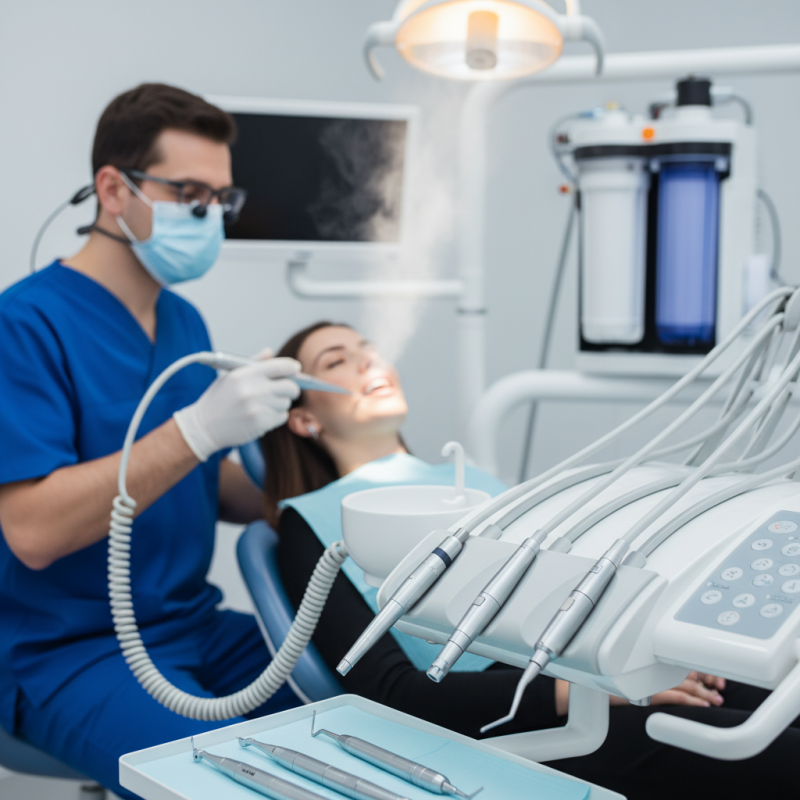
How to Ensure Oil Free Air is Essential for Dental Procedures?

Importance of Oil-Free Air in Dental Environments

In dental environments, oil-free air plays a crucial role. The presence of oil can contaminate instruments and interfere with sterile procedures. Contamination increases the risk of infection, which can have serious consequences for patients. Therefore, ensuring that compressed air is free from oil is essential for safe dental practices.

One way to achieve oil-free air is through proper filtration systems. Regular maintenance of these systems is key. Unfortunately, many dental practices may overlook this aspect. Neglecting air quality can lead to unseen risks. The importance of training staff on monitoring air quality cannot be overstated. Awareness and vigilance are necessary to uphold hygiene standards.

Additionally, using oil-free compressors can significantly enhance air quality in dental clinics. These compressors are designed to reduce the risk of oil contamination. However, installation and operational costs can be a concern for some practices. Balancing cost with the imperative of patient safety is a challenging decision. Regular assessments and maintenance should always accompany any investment in technology to ensure effectiveness.

Sources of Contaminated Air in Dental Practices

In dental practices, ensuring oil-free air is critical for patient safety and procedure effectiveness. However, several sources can lead to contaminated air. For instance, air compressors often generate oil as a byproduct. This oil can mix with the compressed air delivered through handpieces, affecting both the instruments and the patient.

Another significant source of contamination is the environment. Dust, airborne particles, and even volatile organic compounds from cleaning agents can infiltrate the air supply. This contamination can compromise the sterility of dental procedures. Dental practices should be aware of these sources. Regular maintenance and monitoring of equipment are essential to mitigate these risks.

In some cases, practices rely on outdated filtration systems that cannot effectively remove contaminants. Such systems fail to align with modern dental safety standards. Regular assessments of air quality should be part of a comprehensive safety protocol. Ultimately, being proactive about these challenges is crucial for providing the safest care possible.

Technologies for Achieving Oil-Free Compressed Air

Oil-free compressed air is critical for maintaining the integrity of dental procedures. Contaminated air can introduce harmful substances into the oral cavity. According to recent studies, up to 80% of dental complications can be traced back to the use of contaminated air. For dental practices, utilizing oil-free technologies is not just a choice; it is a necessity.

Various technologies exist to ensure the availability of oil-free compressed air. For instance, membrane technology separates oil from air using selective barriers. This method is effective and can provide air purity levels close to 99.999%. Similarly, desiccant dryers absorb moisture and contaminants, further enhancing air quality. However, installation and maintenance of these systems require expertise. Many practitioners may overlook the importance of regular maintenance, which can lead to decreased effectiveness over time.

Transitioning to oil-free systems can be challenging. Initial costs can be higher, and training staff on proper usage is essential. Some dental clinics still rely on traditional systems, risking patient safety. Reports indicate that over 30% of clinics fail to comply with air quality standards. Recognizing these gaps can drive improvement in practices. It’s vital for dental professionals to remain vigilant about air quality to ensure patient safety and optimal outcomes.

Standards and Regulations for Air Quality in Dentistry

In dental practices, maintaining high air quality is crucial. Oil contamination in air lines can lead to serious complications during procedures. The presence of oil can affect both the equipment and patient safety. With strict adherence to standards and regulations, dental offices can ensure a clean and efficient environment.

Regulatory bodies have set guidelines for air quality in dentistry. These regulations often stipulate maximum allowable limits for contaminants. Compliance is essential for patient safety and effective treatment. Regular maintenance of air pressure systems helps to meet these standards. Failure to comply can result in subpar outcomes and potential harm to patients.

Dental teams should undergo training on air quality management. This knowledge is vital in understanding the implications of oil-free air. Regular audits and assessments can highlight areas needing improvement. Encouraging open discussions about air quality can foster a culture of safety and accountability within the practice. Such reflections lead to better practices and ultimately enhance patient care.

Benefits of Using Oil-Free Air for Patient Safety and Equipment Longevity

Oil-free air is imperative for dental procedures. Contaminated air can lead to serious health risks for patients. According to the American Dental Association, the quality of air used in dental equipment directly affects patient safety. Oil contamination can cause harmful particles to enter the respiratory system during treatments.

Using oil-free air in dental practices enhances equipment longevity. Compressed air systems are susceptible to wear and tear from oil residue. A study revealed that dental tools exposed to oil-laden air had a 30% shorter lifespan. Cleaning and maintenance costs increase dramatically when oil compromises equipment.

Patient comfort and safety are paramount in dentistry. The trust in dental care relies on clean and safe environments. Yet, some practices may overlook the importance of oil-free air. This oversight can lead to long-term issues. Consistent monitoring and investment in quality air systems are necessary for adherence to safety standards.

FAQS

: Why is oil-free air important in dental practices?

: Oil-free air is critical for patient safety and the effectiveness of dental procedures.

What can contaminate the air in a dental practice?

Air compressors can produce oil, while dust and cleaning agents can also compromise air quality.

How often should dental practices check air quality?

Regular assessments of air quality are essential to maintain safety standards in dental procedures.

What technologies ensure oil-free compressed air?

Membrane technology and desiccant dryers are effective in providing high purity levels of air.

What are the risks of using contaminated air in dental procedures?

Contaminated air can introduce harmful substances, potentially leading to severe health complications.

How does oil contamination affect dental equipment?

Oil residue can wear out tools faster and increase cleaning costs, reducing equipment lifespan significantly.

Are there challenges in transitioning to oil-free systems?

Initial costs can be higher, and staff training is essential to ensure effective usage of new systems.

What percentage of clinics fail to meet air quality standards?

Reports indicate that over 30% of clinics do not comply with essential air quality standards.

How can practices improve air quality?

Regular maintenance and investment in modern filtration systems can significantly enhance air quality.

Can overlooking air quality lead to long-term issues?

Yes, neglecting air quality may create serious risks for patient safety and equipment reliability.

Conclusion

Ensuring oil-free air is essential for dental procedures due to its significant impact on patient safety and the longevity of dental equipment. Contaminated air in dental practices often comes from inadequate filtration systems, compressor oil, and environmental factors, leading to potential health risks and compromised treatment quality. To combat this, various technologies can be implemented to achieve oil-free compressed air, aligning with industry standards and regulations that govern air quality in dental settings.

The benefits of using oil-free air extend beyond compliance; it helps safeguard patients from harmful contaminants and reduces the wear on dental instruments, ultimately enhancing the overall efficiency of dental procedures. Understanding "why is oil-free air necessary for dental procedures" is crucial, as it underscores the importance of maintaining a clean and safe treatment environment that fosters optimum care and promotes successful outcomes.

Charlotte

Charlotte

Charlotte is a seasoned marketing professional with a deep understanding of the company's portfolio and a passion for elevating its presence in the market. With a keen eye for detail and a commitment to excellence, she ensures that our professional blog is regularly updated with insightful articles......