In recent years, the trend of providing dental care at home has gained momentum. Data shows that about 25% of adults prefer in-home dental services due to comfort and accessibility. However, executing such care demands proper equipment, particularly a portable dental unit. An expert in this field, Dr. Maria Chen, states, "The right setup can transform a patient's experience, making dental care less intimidating."
Understanding how to install a portable dental unit for home visits is critical for success. Many practitioners encounter challenges in terms of logistics and patient trust. Portable units must be user-friendly, efficient, and sanitary. Furthermore, managing power supplies and ensuring sterilization can be daunting for newcomers. This highlights the need for comprehensive training and support systems.
As we navigate the logistics, consider the potential pitfalls. Improper installation can lead to loss of equipment or, worse, compromise patient safety. A measured approach is vital. This guide aims to demystify installation processes, helping dental professionals enhance their home visit services for improved patient outcomes.
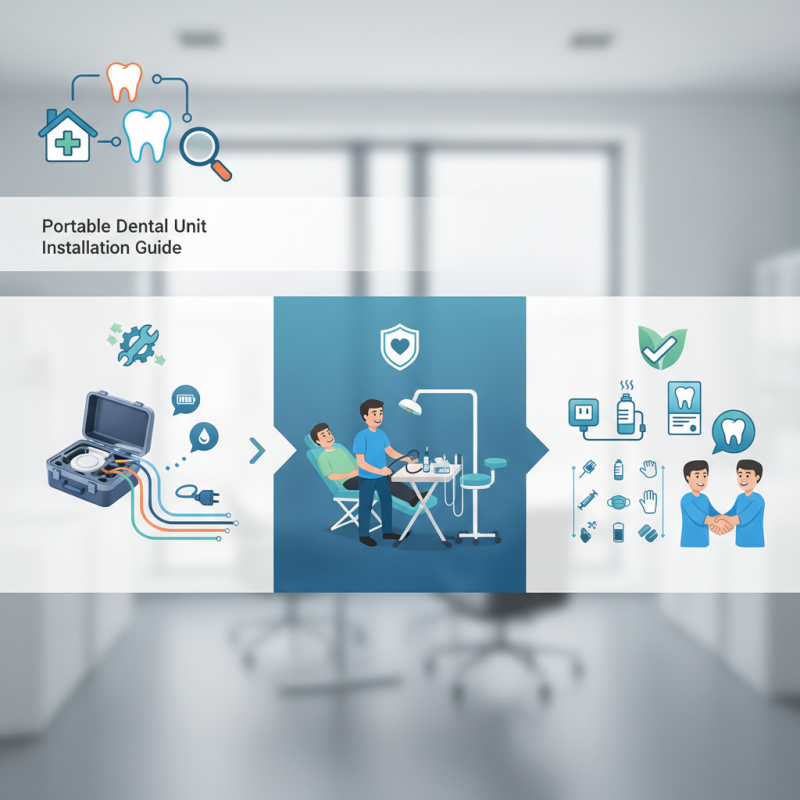
Portable dental units have become essential for dental professionals who provide home visits. These units offer convenience and efficiency, making dental care accessible for patients who cannot visit a clinic. Understanding their structure helps in maximizing their benefits.
When choosing a portable dental unit, consider its features carefully. Look for ergonomic designs that enable ease of movement. Additionally, ensure the unit has a reliable power source, whether that be battery-operated or plug-in. Many units offer suction, compression, and even sterilization features. These are crucial for effective at-home treatments.
**Tips:** Always keep your portable unit clean. Regular maintenance will uphold its longevity. Familiarize yourself with each component to ensure quick troubleshooting. Carry essential tools in your kit to handle unexpected situations.
Setting up a portable unit may feel daunting. However, once you familiarize yourself with its components, the process becomes easier. Prepare your environment ahead of time. Space should be well-lit and easy to access. Think about how to arrange your tools for efficiency. An organized workspace enhances the patient experience.
When selecting a portable dental unit for home visits, consider the specific features that enhance both functionality and patient comfort. According to the American Dental Association, 30% of adults avoid dental visits due to anxiety and convenience issues. A unit that operates quietly can help ease patient nerves. Ensure that the model includes various handpieces suitable for different procedures. Versatility is vital, as it allows you to provide a wider range of services on-site.
It’s essential to evaluate battery life. A report from the Dental Equipment Manufacturers Association indicates that devices with longer battery durations can improve workflow. You don’t want to run out of power mid-appointment. Also, weight matters. A lighter unit is easier to transport. However, balancing portability with stability can be challenging. You might find that lightweight models compromise on robustness or available features.
Additionally, consider the cost of maintenance. Some portable systems require more frequent service, which can add to long-term expenses. Always read user reviews and case studies. Real-world experiences can highlight potential drawbacks. Lack of adequate suction or difficulty in setup might be noted by users. It’s crucial to reflect on these aspects before making your choice.
Setting up a portable dental unit for home visits requires careful planning. Essential tools and equipment make your mobile practice efficient. A portable dental chair is crucial. Look for one that is lightweight but sturdy. It should provide comfort for patients. Consider the layout of the chair in your vehicle. The space matters.
You will need a dental delivery system. These systems usually include an air compressor and suction. Make sure the compressor is quiet and reliable. Some units are compact, fitting easily in your car. However, test everything before the first home visit. Unforeseen issues can arise.
Keep sterilization tools handy. Autoclaves or disinfectants are vital. They ensure your instruments remain safe for patient use. Transporting sterilized tools requires careful packaging. A hygienic environment is also essential. Sometimes, even minor slips can lead to significant problems. Always remain vigilant, and take notes on what works best.
Setting up a portable dental unit for home visits can seem daunting. However, with careful planning, the process becomes manageable. Begin by choosing a quiet, well-lit space. The environment should be clean to maintain hygiene. Make sure you have all necessary tools ready. This includes the dental chair, light source, and sterilization equipment.
Next, assemble the portable unit according to the manufacturer’s instructions. Connect the water supply to the handpiece and compressor. Ensure all cords and hoses are securely attached. Testing the equipment is crucial. Check for leaks and operational efficiency. A common mistake is overlooking small components. Double-check connections to avoid malfunction during visits.
Placement matters as well. Position the unit within easy reach to maximize workflow. Consider your patient’s comfort in the setup. An uncomfortable position can affect the dental procedure. Lastly, take time to reflect on your setup after each use. Finding what works and what doesn’t is important. This reflection will enhance future setups, ensuring a smoother experience for both you and your patients.
Maintaining portable dental equipment is crucial for quality home visits. Proper care ensures both functionality and patient safety. Regularly inspect components like hoses, handpieces, and water lines. Look for leaks or wear, which can affect performance. Even small issues can lead to larger problems down the line.
Cleaning your equipment after every use is essential. Use appropriate disinfectants approved for dental tools. Pay special attention to areas that come into contact with patients. Some stains or residues may be hard to remove, but perseverance pays off. Remember, messy tools can deter patients from returning.
Lastly, keep an organized maintenance schedule. Document inspections and cleaning routines. This will help identify patterns or recurring issues. Regular reflections on your process might reveal areas for improvement. Don’t overlook the importance of training staff on equipment use and care. Effective training helps avoid mistakes and builds confidence in your team. Aim for excellence, but know that perfection is not always achievable.
: Look for quiet operation, various handpieces, and versatility to provide multiple services.
Longer battery life ensures you won’t run out of power during appointments, improving workflow.
A lighter unit is easier to transport, but may compromise stability or features.
Some models need more frequent service, which can lead to higher long-term expenses.
Reviews highlight potential drawbacks, like suction concerns or setup difficulties.
A lightweight, sturdy dental chair and a reliable dental delivery system are critical.
Proper sterilization prevents infections and ensures patient safety during procedures.
Test all equipment and tools to avoid unforeseen issues during the visit.
Carefully package sterilized tools and remain vigilant to avoid minor slips.
Some chairs may lack comfort or proper layout for your vehicle’s space.
This article titled "How to Install a Portable Dental Unit for Home Visits Guide" provides a comprehensive overview of the essential steps and considerations for effectively setting up a portable dental unit. It begins by emphasizing the importance of portable dental units in extending dental services to patients in their homes. Following this, the guide highlights key factors to consider when selecting the right unit, ensuring it meets both clinical needs and patient comfort.
The article then outlines the essential tools and equipment necessary for a successful portable dental setup, followed by a detailed step-by-step guide on how to install a portable dental unit for home visits. Lastly, it discusses best practices for maintaining the equipment, ensuring longevity and reliability in providing dental care outside the traditional office setting. Overall, this guide serves as a valuable resource for dental professionals looking to enhance their home visit capabilities.

Barclay Medical