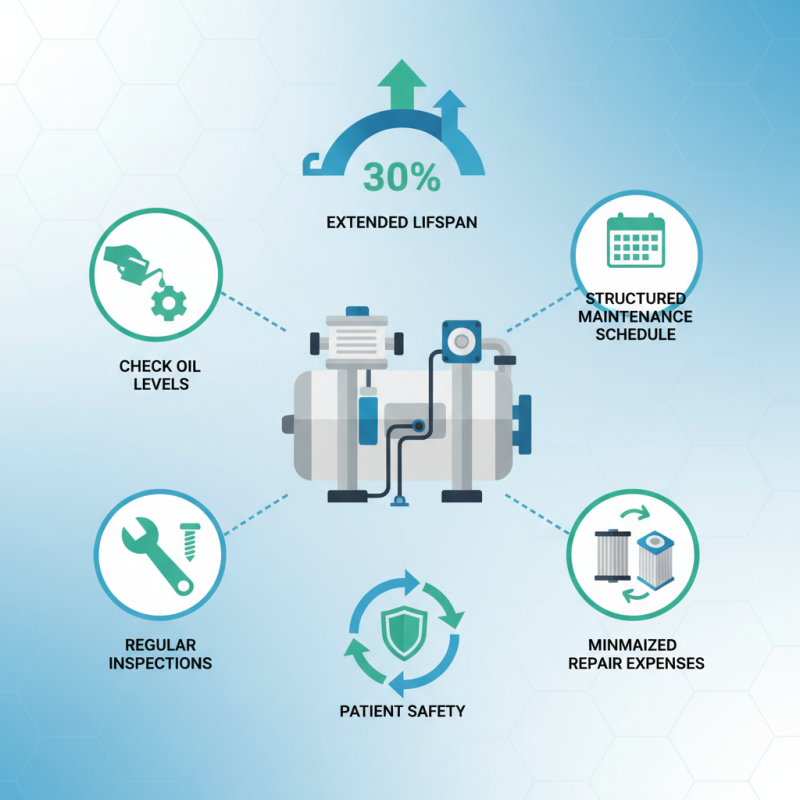
In the field of dentistry, maintaining equipment is crucial for optimal performance. Dental air compressors are vital in providing the necessary air pressure for various procedures. According to the American Dental Association, regular maintenance can extend the lifespan of these compressors by up to 30%. Therefore, understanding how to maintain a dental air compressor for longevity is essential for dental professionals.
Dr. Sarah McKenzie, an expert in dental equipment management, emphasizes, “A well-maintained compressor is key to ensuring patient safety and treatment efficacy.” Dentists often overlook routine maintenance, leading to issues such as reduced efficiency and increased costs. Simple tasks, like checking oil levels and replacing filters, can significantly impact the lifespan and reliability of the compressor.
Additionally, many practices fail to implement a structured maintenance schedule, resulting in unexpected breakdowns. Regular inspections not only enhance performance but also build trust with patients. By prioritizing this aspect of practice management, dentists can ensure their equipment works effectively while minimizing repair expenses. Adopting these practices can lead to significant improvements in service quality.
Essential Components of a Dental Air Compressor and Their Functions
Maintaining a dental air compressor is crucial for its performance. Understanding its essential components helps you keep it running smoothly. The air tank stores compressed air, ensuring a steady supply. This component needs regular checks for rust or leaks. The compressor pump pressurizes the air, and any wear here can lead to inefficiencies. Monitor for unusual noises or overheating, which might indicate a problem.
The air filtration system removes moisture and contaminants. Clogged filters can affect air quality. Change them regularly for optimal performance. The pressure switch controls the compressor's operation, turning it on and off. Ensure it is calibrated correctly to maintain consistent pressure levels.
Tips: Regularly inspect hoses and connectors for wear. Replace any damaged parts promptly. Keeping a log of maintenance activities can help track performance issues over time. Don't overlook the importance of operator training; improper use can lead to unnecessary wear and potential failures. Regular servicing by a qualified technician can also prolong the life of your dental air compressor. Taking these steps is essential for reliable and effective performance.
Regular Maintenance Tasks for Optimal Performance of Air Compressors
Maintaining a dental air compressor is essential for longevity and efficiency. Regular maintenance tasks help ensure the compressor operates smoothly. Check the oil levels frequently. Low oil can lead to overheating and permanent damage. Replace the oil according to the manufacturer's guidelines. Clean or replace air filters regularly to avoid contaminants affecting performance.
Tips: Monitor the compressor for unusual noises. Strange sounds can indicate wear and tear or impending failure. Keeping a close eye can save time and costs later.
Conduct inspections on a monthly basis. Ensure all connections are tight to prevent leaks. Leaky hoses can compromise performance. Regularly drain moisture from the tank. Moisture buildup can lead to rust and reduce the lifespan of the unit.
Tips: Create a maintenance schedule. It can help you remember key tasks. Consistency is key when it comes to preserving your equipment. A little attention now can prevent larger issues down the road.
How to Maintain a Dental Air Compressor for Long Lasting Performance?
| Maintenance Task |
Frequency |
Description |
Benefits |
| Check Air Filter |
Monthly |
Inspect and clean or replace the air filter to ensure proper airflow. |
Improves efficiency and extends compressor life. |
| Drain Moisture Separator |
Weekly |
Remove accumulated water from the moisture separator to prevent corrosion. |
Prevents water contamination in the air supply. |
| Inspect Hoses and Connections |
Monthly |
Check for wear and tear or leaks in hoses and connections. |
Ensures safe and efficient operation of the compressor. |
| Clean Heat Exchanger |
Quarterly |
Remove dust and debris from the heat exchanger to enhance cooling efficiency. |
Prevents overheating and extends compressor lifespan. |
| Conduct Full Inspection |
Annually |
Perform a comprehensive check on all components for wear or mechanical issues. |
Identifies potential problems before they develop into significant failures. |
Common Issues and Troubleshooting Tips for Dental Air Compressors
Dental air compressors are crucial in providing clean and dry air for various dental procedures. However, common issues can arise, potentially affecting their performance. One frequent problem is inadequate pressure. This often results from clogged filters or air leaks. Regularly check the air intake and ensure filters are clean. Keeping these components in good condition is vital for optimal pressure levels.
Another issue to watch for is excessive noise. If the compressor is loud or has unexpected sounds, it may indicate internal wear. Lubricating moving parts can help. However, if the noise persists, a professional inspection is recommended. It’s essential to address these noises early to avoid more significant problems later on. Periodic evaluations ensure that small issues do not escalate into costly repairs.
Lastly, look out for moisture in the air supply. Humidity can lead to equipment damage and affect patient comfort. Use a reliable separator or dryer in the system. Regular monitoring of water levels should become a routine practice. Ultimately, being proactive about these common issues aids in maintaining the longevity and reliability of dental air compressors.
Maintenance Tips for Dental Air Compressors
Best Practices for Cleaning and Sanitizing Air Compressors
Cleaning and sanitizing a dental air compressor is essential for ensuring its efficient performance. Studies show that up to 40% of compressors suffer from moisture buildup, which can lead to microbial growth. Regularly draining moisture traps can significantly minimize this risk. It's advisable to do this daily, especially in high-use settings. Utilizing water traps and oil filters can also help in reducing contaminants in the air supply.
The cleaning process should include replacing filters and inspecting hoses for dirt or blockages. Professional guidelines recommend changing filters every 3 months. This practice can prevent airflow restrictions, enhancing both compressor performance and patient safety. Neglecting these aspects can lead to costly repairs and reduced service life.
Furthermore, disinfecting the exterior and surrounding areas of the compressor is often overlooked. A simple wipe-down with a suitable disinfectant helps maintain a clean work environment. Regular maintenance checks allow for early detection of potential issues, ensuring reliable operation. Building a habit of thorough cleaning not only extends your equipment’s lifespan but also assures compliance with health standards.
Tips for Ensuring Longevity and Efficiency in Dental Air Compressors
Maintaining a dental air compressor is crucial for efficient clinic operations. Regular maintenance can prevent costly breakdowns and extend the unit's lifespan. According to the American Dental Association, up to 30% of dental equipment failures stem from poor maintenance practices. This statistic underscores the importance of routine checks.
Clean the compressor regularly to prevent dust and debris buildup. Air filters should be replaced every six months. Humidity levels also need monitoring. Excess moisture can lead to corrosion and impact performance. A study highlighted that 70% of air compressor issues arise from moisture-related problems. Additionally, ensure there are no leaks in the system. A single leak can reduce efficiency by as much as 20%.
Ultimately, educating dental staff about proper usage and maintenance procedures is vital. Engaging the entire team creates a culture of responsibility. Regular training sessions can help identify common issues early. Tracking the compressor's performance data can also provide insights into potential problems. This proactive approach can lead to significant cost savings and improved service quality over time.
Conclusion
Maintaining a dental air compressor is crucial for ensuring its longevity and efficient operation. The essential components include a motor, pump, and moisture filter, each playing a vital role in performance. Regular maintenance tasks—such as checking oil levels, cleaning filters, and inspecting hoses—are necessary to keep the compressor in optimal condition. Additionally, being aware of common issues like air leaks or pressure drops and having troubleshooting tips can help promptly address potential problems.
When learning how to maintain a dental air compressor for longevity, it's important to adopt best practices for cleaning and sanitizing. Regularly sanitizing the system not only enhances performance but also ensures a safe environment for dental procedures. By implementing these maintenance routines, dental professionals can prolong the life of their compressors and maintain efficient airflow, ultimately benefiting both the practice and patients.

 Barclay Medical