How to Reduce Anxiety in Children With a Kids Dental Unit?

Time:2026-09-15 Author:Sophia
0%

Dental anxiety can make a routine appointment feel overwhelming for a child. The bright light, unfamiliar sounds, and reclining chair may trigger fear before treatment begins. A thoughtfully designed kids dental unit can make this environment calmer, clearer, and more welcoming.

This guide explores How to reduce anxiety in children using a kids dental unit through practical, child-centered strategies. Pediatric dental professionals often use smaller equipment, softer colors, friendly displays, and adjustable chair positions. These details can help children feel less confined and more involved. A dentist might let a child touch the mirror, hear the suction sound, or choose between two safe seating options. Small choices matter.

Communication remains essential. Explain each step with simple words before the instrument appears. Avoid promising that treatment will never hurt. That promise may damage trust if discomfort occurs. Instead, describe what the child may notice and offer a clear stop signal. A hand raise can provide reassurance.

No unit removes every fear.

Anxiety levels differ between children, even in the same family. Some children respond well to visual distractions, while others need gradual appointments and additional behavioral support. Dental teams should assess each child individually and follow professional guidance. Parents can also share previous experiences, sensory sensitivities, and calming routines before treatment begins. With patience, suitable equipment, and honest communication, the dental unit becomes more than furniture. It becomes part of a reliable, respectful care experience.
How to Reduce Anxiety in Children With a Kids Dental Unit?

Understanding Dental Anxiety in Children

Dental anxiety in children is more than simple nervousness. It can involve fear, avoidance, crying, stomach discomfort, or resistance to treatment. The American Academy of Pediatric Dentistry reports that dental fear is commonly estimated to affect 5% to 20% of children. These reactions may develop after pain, unfamiliar sounds, separation from parents, or watching an adult appear worried.

A kids dental unit should support emotional safety, not only clinical efficiency. A child may notice the overhead light, suction noise, chair movement, and unfamiliar smells within seconds. A bright room is not automatically reassuring. Pediatric dental guidance recommends age-appropriate communication, gradual exposure, and the tell-show-do approach. The dental team can explain the instrument, demonstrate it safely, then begin treatment. Short visits may help younger children build confidence. Some children still need more time.

Parents and clinicians should assess anxiety before treatment. A 2023 review in the International Journal of Paediatric Dentistry linked previous negative dental experiences with stronger fear and avoidance. This supports careful questioning about past pain, sleep, behavior, and medical experiences. We sometimes mistake silence for calm. A quiet child may be overwhelmed, not comfortable. Offering simple choices, such as sitting alone or holding a caregiver’s hand, can restore control. Evidence-based behavior guidance should be individualized, documented, and delivered by trained professionals. The room matters, but trust matters more.

Preparing Children Before the Dental Visit

Preparing a child before a dental visit can reduce fear around the kids dental unit. Keep the explanation simple and honest. Say, “The dentist will check your teeth, count them, and clean them.” Avoid promising that nothing will hurt. Unexpected sensations can weaken trust.

Use a toy toothbrush to practice opening the mouth. Let your child sit in a reclined chair while you describe the visit. Show a small mirror, bright light, and gentle water spray if possible. Keep practice brief. Children often learn better through play than lengthy explanations.

Choose a calm appointment time, especially when your child is rested and fed. Arrive early, so the waiting room does not feel rushed. Bring a familiar toy or comfort item. Tell the dental team about sensitivities, previous experiences, and words that frighten your child. Their guidance should shape the visit.

A common mistake is giving too much detail. I have seen adults explain every instrument, then create fears that were not present. Ask open questions instead: “What do you think will happen?” Listen without correcting every answer. If your child becomes quiet, pauses, or grips your hand, share those signals with the dental professional. Small adjustments, such as explaining the chair before moving it, can make the room feel more predictable.

Creating a Calm and Comfortable Kids Dental Unit

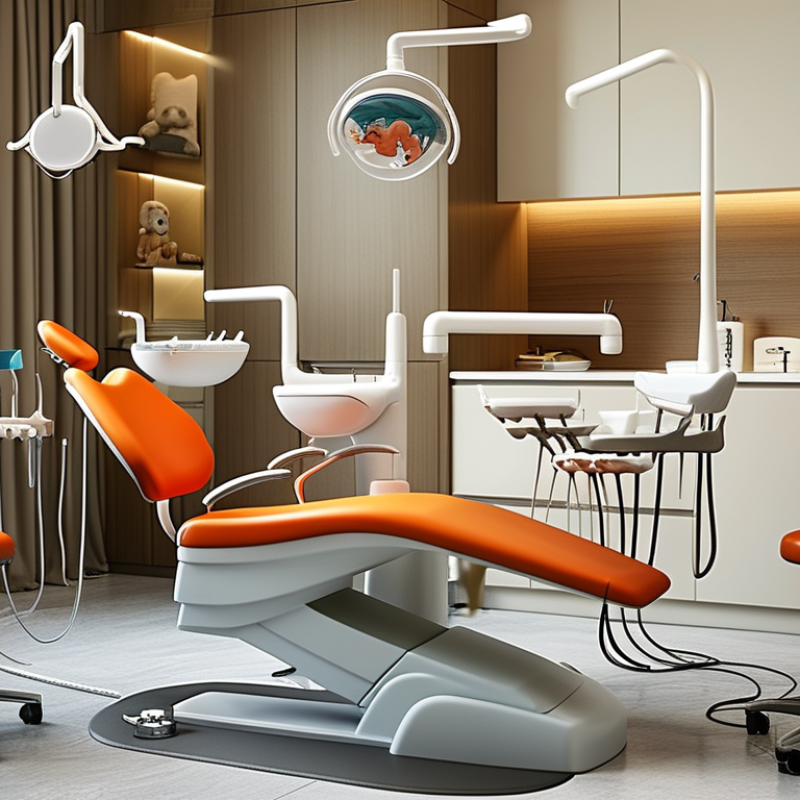
A calm kids dental unit begins before treatment starts. From my experience observing pediatric consultations, children read the room quickly. Bright clinical lights, exposed instruments, and sudden sounds can raise tension. Use warm lighting, rounded furniture, and a clear path from reception to the dental chair. Keep sharp tools covered and out of sight. A small waiting nook with books, soft textures, and child-sized seating gives children control over their first few minutes. It may seem minor. It matters.

The dental chair area should feel predictable, not childish or distracting. Explain each step with simple words before touching the child. Let children choose between two safe options, such as a blue or yellow cup. Demonstrate the suction tip on a glove. A quiet timer can show how long a procedure may last. Dental professionals should adjust communication for age, development, and sensory needs. Parents also need honest guidance about discomfort, breaks, and aftercare. Trust grows when staff admit uncertainty and invite questions.

Good design must support safety as well as comfort. Surfaces should be easy to disinfect, equipment arranged for efficient movement, and privacy protected. Noise control deserves attention; even a handpiece behind a closed door can sound frightening. I would not claim that décor removes anxiety. Some children will still cry, resist, or need another visit. That is not failure. Review what triggered distress, record useful observations, and refine the room and routine. Calm care is built through patient practice, clinical skill, and listening.

Using Child-Friendly Communication and Coping Techniques

How to Reduce Anxiety in Children With a Kids Dental Unit?

A child-friendly dental unit can feel less intimidating when communication feels personal. Speak at eye level, use simple words, and explain each step before touching the child. Say “water spray” instead of “drill.” Avoid threatening language. The American Academy of Pediatric Dentistry’s Behavior Guidance guideline recommends clear explanations, active listening, and gradual exposure. These methods help children understand what will happen. They also give children a sense of control.

A small choice can change the room. Let the child choose the music, the waiting toy, or the color of protective glasses. Agree on a hand signal for pauses. Demonstrate the suction tip on a finger first. The Centers for Disease Control and Prevention reports that about one in five children aged 5–11 has untreated cavities. Regular, calmer visits may reduce delayed care. In practice, clinicians sometimes explain too much. I have made that mistake. Shorter words often work better.

Tips: Use the “tell-show-do” approach. Tell the child what will happen. Show the instrument safely. Then proceed slowly. Praise specific behavior, such as “You kept your hands still.” Avoid promising, “It will not hurt.” That promise may damage trust. Say, “You may feel pressure, and I will help you.” Allow quiet pauses. Not every child responds quickly. Reflection matters, because one technique cannot fit every child.

How to Reduce Anxiety in Children With a Kids Dental Unit? - Using Child-Friendly Communication and Coping Techniques

Anxiety-Reduction Dimension Child-Friendly Approach Practical Example Best Timing Expected Coping Signal
Advance preparation Explain the visit with simple, honest words and avoid threatening expressions. “The dentist will count your teeth and use a small mirror. You can ask questions at any time.” Before the appointment and on arrival The child can repeat what will happen or identify the next step.
Tell-show-do communication Tell the child what will happen, show a safe item, and then perform the procedure. Describe the dental mirror, let the child look at it, and then use it for a brief examination. Immediately before each new procedure The child remains oriented and accepts the next step with less hesitation.
Choice and control Offer limited choices that do not affect safety or treatment quality. “Would you like to sit in the chair now or after one minute?” or “Which hand will you use for the stop signal?” Before positioning and during transitions The child makes a choice, uses the agreed signal, or asks for a pause appropriately.
Nonverbal stop signal Agree on a simple signal, such as raising a hand, and explain when it will be honored. “Raise your left hand if you need me to stop so we can talk.” Before treatment begins The child communicates discomfort before becoming overwhelmed.
Simple breathing technique Use slow, comfortable breathing without asking the child to hold their breath. “Smell the flower slowly, then blow the candle gently.” Repeat for several relaxed breaths. Before and during stressful moments Slower breathing, relaxed shoulders, and improved ability to listen.
Distraction Direct attention toward a preferred, age-appropriate activity when clinically practical. Use a story, conversation, counting game, music, or a short child-selected video. During waiting or non-invasive procedures The child engages with the activity and shows fewer avoidance behaviors.
Positive reinforcement Praise specific cooperative behaviors rather than using vague comments. “You kept your mouth open while I counted your teeth. That helped us finish safely.” Immediately after the desired behavior The child repeats the helpful behavior during the next step.
Gradual exposure Begin with tolerable steps and progress only when the child is coping adequately. Start with sitting in the chair, then practice opening the mouth before attempting an examination. For a first visit or a child with strong fear The child completes a small step without escalating distress.
Sensory adjustments Reduce avoidable sensory triggers and explain unfamiliar sounds, lights, or movements. Offer protective eyewear when appropriate, adjust the light, and warn before a loud sound. Whenever sensory sensitivity is noticed The child tolerates the environment with fewer startle or avoidance responses.
Short, concrete instructions Give one instruction at a time and allow processing time. Say “Open like a lion” instead of giving several instructions at once. Throughout the appointment The child follows the instruction without repeated correction.
Planned pauses Schedule brief breaks before fatigue or distress becomes severe. Pause after an examination step, invite one question, and confirm readiness to continue. Between procedures or when attention declines The child returns to a calmer state and can resume communication.
Caregiver collaboration Ask caregivers about triggers, successful calming methods, and relevant health needs. Use a familiar phrase or coping routine that already works at home, when suitable. Before treatment and during review The care team uses consistent language and the child receives predictable support.
Escalation planning If anxiety remains high, pause and reassess rather than forcing cooperation. Discuss rescheduling, additional behavioral support, or clinically appropriate anxiety-management options. When coping strategies are insufficient The child’s safety and emotional well-being remain the priority.

Note: Techniques should be adapted to the child’s age, communication ability, medical needs, and level of anxiety. Dental professionals should use their clinical judgment and follow applicable pediatric care guidance.

Supporting Positive Experiences After Treatment

After treatment, a child may remember more than the procedure itself. They may remember the bright light, the chair’s movement, or a hurried goodbye. A calm recovery can reshape that memory. Not every child leaves smiling. That is normal.

A pediatric dental professional should explain the next steps in simple language. Tell the child when numbness may fade and which foods are suitable. Follow the clinician’s written instructions carefully. Offer water, soft food, and quiet time when advised. A familiar toy can make the ride home feel safer. Praise brave actions, not only stillness.

“You kept your hands calm” sounds more specific than “You were good.”

At home, keep the conversation gentle and brief. Ask what felt easy or difficult. Listen without correcting every detail. A small mistake is expecting immediate confidence. Some children need several ordinary visits before trust grows. Caregivers can avoid threats, exaggerated promises, and scary stories about future treatment. A child who feels discomfort, prolonged numbness, swelling, or unusual bleeding needs prompt professional advice. Contact the dental clinic rather than guessing. Positive experiences are built through consistency: a respectful dental team, a child-sized unit, clear explanations, and time to recover. Over time, these details can help the child view dental care as manageable, even when it is not enjoyable.

FAQS

What is dental anxiety in children?

Dental anxiety can include fear, crying, avoidance, stomach discomfort, or resistance. It is more than ordinary nervousness. Some children become quiet instead. Quiet does not always mean calm.

What can cause a child to fear dental treatment?

Previous pain, unfamiliar sounds, chair movement, and separation from caregivers may trigger fear. Children can also react after watching an anxious adult. Even unfamiliar smells may raise tension.

How can a dental unit feel calmer for children?

Use warm lighting, rounded furniture, and a clear path to the dental chair. Keep sharp instruments covered and hidden. A small waiting nook with books and child-sized seating may help. It may seem minor. It matters.

What should dental staff do before touching a nervous child?

Explain each step with simple, age-appropriate words. Use the tell-show-do approach. Demonstrate suction on a glove before using it. Predictability helps children feel less trapped.

Can children make choices during a dental visit?

Yes, when the choices are safe and limited. A child might choose a blue or yellow cup, or hold a caregiver’s hand. Small choices can restore a sense of control. Too many choices may confuse some children.

How can parents prepare a child for treatment?

Speak gently and avoid threats, exaggerated promises, or frightening stories. Share honest information about possible discomfort and breaks. Ask about past medical or dental experiences. Do not mistake silence for confidence.

Does attractive room design remove dental anxiety?

No. Décor may support comfort, but it cannot remove fear. Some children will still cry, resist, or need another visit. That is not failure. The team should record triggers and adjust the routine.

What can help a child recover after treatment?

Explain when numbness may fade and which foods are suitable. Offer water, soft food, and quiet time when advised. Praise specific actions, such as keeping hands calm. A familiar toy may make the ride home safer.

When should caregivers contact the dental clinic after treatment?

Contact the clinic about discomfort, prolonged numbness, swelling, or unusual bleeding. Follow written instructions carefully. Avoid guessing. A calm follow-up can prevent small concerns from becoming larger worries.

Conclusion

Dental anxiety is common among children and may come from unfamiliar surroundings, fear of pain, or previous negative experiences. How to reduce anxiety in children using a kids dental unit begins with preparation: explain the visit in simple, reassuring language, use positive role-play, and avoid frightening details. Parents and dental professionals can also invite children to ask questions and choose a comfort item to bring along.

A calm and comfortable kids dental unit should feel welcoming, organized, and child-friendly, with gentle communication, clear explanations, and short pauses when needed. Coping techniques such as slow breathing, distraction, storytelling, and praise can help children feel more in control during treatment. After the appointment, recognizing their cooperation, offering encouragement, and discussing the experience positively can build confidence and make future dental visits easier.

Sophia

Sophia

Sophia is a dedicated marketing professional with an exceptional depth of knowledge about her company's products and services. With a keen understanding of market trends and customer needs, she crafts insightful blog posts that not only inform but also engage readers, enriching the company’s online......