5 Tips to Fix Your Dental Chair Headrest Not Locking Properly?

Time:2026-05-03 Author:Amelia
0%

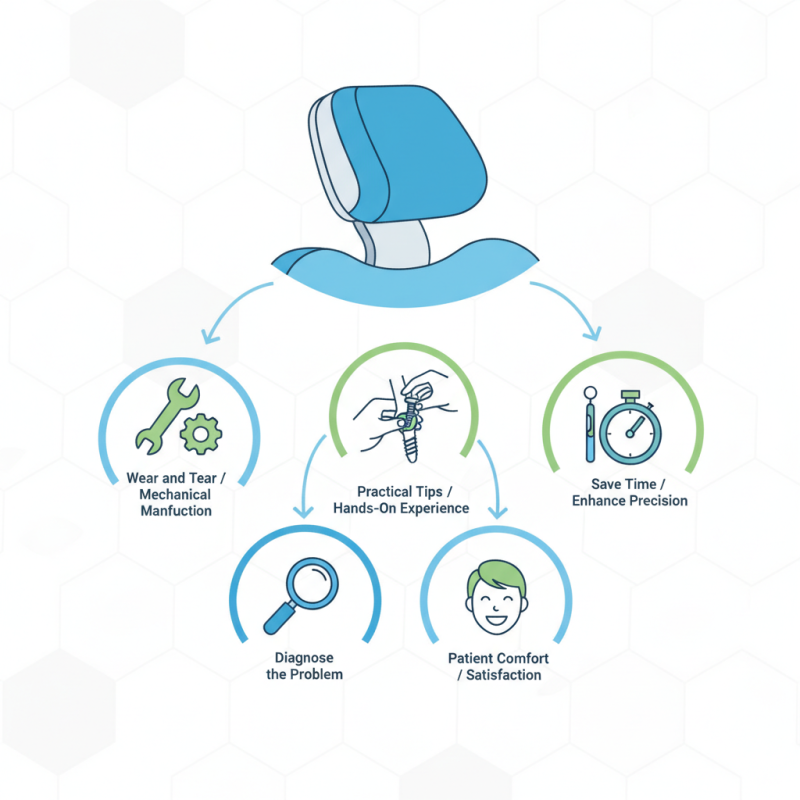
When you sit in a dental chair, comfort is essential. A well-functioning headrest plays a crucial role in that comfort. However, many practitioners face the frustrating issue of "Why is my dental chair headrest not locking properly?" This common problem can stem from various factors, ranging from wear and tear to mechanical malfunction.

It is vital to address headrest issues promptly. A loose headrest can disturb the patient's comfort during treatment. It could also lead to complications for the dentist trying to maintain precision in their work. Understanding how to diagnose and fix this problem can save time and enhance patient satisfaction.

In this article, we will explore practical tips for addressing headrest issues effectively. These tips draw on expert insights and hands-on experience in dental chair maintenance. Let’s delve into solutions that ensure your dental chair meets the high standards necessary for optimal patient care.
5 Tips to Fix Your Dental Chair Headrest Not Locking Properly?

Understanding the Mechanism of Dental Chair Headrest Locking Systems

Dental chair headrests are critical for patient comfort and effective treatment. The locking mechanism typically includes a ratchet or hydraulic system. Understanding how these systems work can help troubleshoot issues. Reports show that 25% of dental professionals encounter headrest locking problems regularly. This highlights the need for effective maintenance and understanding of the underlying mechanics.

When a headrest does not lock properly, it can be frustrating. One possible issue is a worn-out ratchet mechanism. Regular lubrication can prevent this issue. Not only does it enhance functionality, but it also extends the headrest's lifespan. Another tip is to examine the locking pins. If they are misaligned or damaged, they can prevent proper locking.

Occasionally, the hydraulic system can fail. This may result in erratic movements of the headrest. Checking the hydraulic fluid levels is essential. Many professionals overlook this simple maintenance task. Additionally, ensure that the headrest is firmly attached to the chair to avoid wobbling. Addressing these details can lead to smoother operations during patient treatments.

Common Causes of Dental Chair Headrest Malfunction in Clinical Settings

Dental chair headrests are crucial for patient comfort. When they fail to lock properly, it affects the overall experience in the clinical setting. Understanding common causes can help in troubleshooting the issue effectively.

One frequent reason for headrest malfunction is wear and tear. Over time, the locking mechanism may degrade due to frequent adjustments. This can lead to loose parts that do not hold the position securely. Additionally, debris or contaminants can obstruct the locking components, making it difficult for them to function efficiently. Regular maintenance should include checking for such blockages.

Another issue could stem from improper usage. Staff may not be aware of the correct adjustment techniques, leading to unnecessary strain on the system. Training your team properly on handling headrests can prevent many problems. Furthermore, environmental factors, such as humidity and temperature changes, can impact the materials used in the headrest mechanism, causing unexpected malfunctions.

5 Tips to Fix Your Dental Chair Headrest Not Locking Properly

Common Causes Symptoms Fixes Maintenance Tips
Worn-out locking mechanism Headrest not staying in position Replace the locking mechanism Regularly inspect for wear
Debris in the locking slot Difficulty adjusting headrest Clean the locking mechanism Clean routinely with compressed air
Loose screws Headrest feels unstable Tighten all screws Regularly check screw tightness
Faulty hydraulic system Inconsistent height adjustments Inspect and replace hydraulic parts Monitor hydraulic fluid levels
Misalignment of headrest Headrest not aligned with patient Realign the headrest mounting Ensure proper storage position

Step-by-Step Troubleshooting for Dental Chair Headrest Issues

Troubleshooting a dental chair headrest that won’t lock properly can feel frustrating. Start by checking the locking mechanism. Often, debris from daily use can block the mechanism. Use a soft brush to clean around the pivot points and locking system. This can reveal hidden issues and is a simple way to improve functionality.

Next, inspect the adjustment lever. Sometimes, it might feel stuck or unresponsive. Examine it for any signs of wear or damage. If it seems loose, it could require tightening or lubrication. A light spray of silicone lubricant often works wonders. Don't forget to check the headrest mount as well. It might be loose, leading to improper locking. Adjust screws as needed and test the headrest again.

Finally, consider the user experience. Does the headrest meet patient needs? An uncomfortable setup often leads to repeated adjustments. Reflect on how the headrest works during procedures. Gathering feedback from staff can shed light on flaws that need addressing. Addressing these factors will enhance both functionality and comfort in the long run.

Essential Tools and Parts for Repairing Dental Chair Headrests

When a dental chair headrest fails to lock properly, it can hinder patient comfort and treatment efficiency. Having the right tools and parts ready for repairs is essential in such situations. Begin by gathering essential tools like screwdrivers, pliers, and an adjustable wrench. These basic tools will help you access and adjust the mechanisms within the headrest.

You'll also need specific replacement parts, such as locking pins or springs, that may wear out over time. Inspect the headrest for any damaged components. If the locking mechanism is rusty or clogged, consider cleaning it with a suitable lubricant. A thorough inspection can expose underlying issues that may not be immediately apparent.

Repairing the headrest requires patience and a keen eye. It’s important to remember that even minor damage can lead to bigger problems down the line. Always document any changes you make during repairs for future reference. This will allow for easier troubleshooting if issues arise again.

Preventative Maintenance Tips to Enhance Headrest Longevity and Performance

Maintaining your dental chair's headrest is essential for providing optimal patient comfort. Regular maintenance can extend its lifespan and improve its performance. One effective tip is to clean the headrest regularly. Use a gentle cleaner that won't damage the materials. This helps prevent buildup that might affect its locking mechanism.

Another important aspect is to check for loose components. Over time, screws and bolts may loosen. Tightening them might resolve the locking issue. Be careful not to overtighten, as this can cause more harm than good. It’s wise to inspect the headrest mechanism periodically. Look for wear or damage that could interfere with function.

Lastly, consider lubricating moving parts. A little lubrication can enhance the performance and longevity of the headrest. Use a suitable lubricant sparingly to avoid attracting dust. Regular inspections, cleaning, and lubrication will ensure that your dental chair headrest remains functional and comfortable for patients. The key is to stay proactive in your maintenance routines.

5 Tips to Fix Your Dental Chair Headrest Not Locking Properly

FAQS

: What should I check first if my dental chair headrest won’t lock?

: Start by inspecting the locking mechanism for debris. Clean around the pivot points with a soft brush.

How can I fix an unresponsive adjustment lever?

Look for wear or damage on the lever. Tightening or applying silicone lubricant may help.

What if the headrest mount is loose?

Adjust the screws of the headrest mount. Test it again to see if it locks properly afterward.

Why is patient feedback important for headrest comfort?

Understanding patient comfort needs can reduce the number of adjustments required.

What tools are needed for repairing a dental chair headrest?

Basic tools like screwdrivers, pliers, and an adjustable wrench are essential for access and adjustments.

How can I identify damaged components in the headrest?

Conduct a thorough inspection for rust or clogs in the locking mechanism. Replace parts as necessary.

Why should I document changes during repairs?

Keeping a record of repairs helps with future troubleshooting and ensures all adjustments are noted.

Can minor issues lead to bigger problems?

Yes, small damages can escalate if not addressed. Always check for minor issues to avoid future complications.

How can I improve the headrest’s functionality?

Regular cleaning and maintenance of the locking mechanism can enhance overall functionality.

What if adjustments don’t improve the headrest?

Reflect on the usability and consider additional feedback from staff to identify potential flaws.

Conclusion

The article "5 Tips to Fix Your Dental Chair Headrest Not Locking Properly" offers valuable insights into the common issue of malfunctioning dental chair headrests. Understanding the mechanism of these locking systems is crucial for diagnosing why is my dental chair headrest not locking properly. The article outlines the frequent causes of such malfunctions in clinical settings, providing a foundation for effective troubleshooting.

Step-by-step guidance is provided to address headrest issues, alongside a list of essential tools and parts needed for repair. Additionally, the article emphasizes the importance of preventative maintenance tips that can enhance the longevity and performance of dental chair headrests. By adhering to these guidelines, dental professionals can ensure optimal functionality and improve patient comfort during procedures.

Amelia

Amelia

Amelia is a seasoned marketing professional with a wealth of expertise in our company’s core offerings. With an unwavering passion for driving growth and innovation, she plays a pivotal role in shaping our marketing strategies and enhancing brand visibility. A key aspect of her responsibilities......