Proper sterilization of dental handpieces is crucial for patient safety and infection control. Knowing how to sterilize dental handpieces safely ensures that practitioners maintain high standards. It minimizes the risk of cross-contamination and protects both patients and dental staff.
Dental handpieces are intricate devices. Their design can make cleaning and sterilization challenging. Many dental professionals face difficulties in achieving effective sterilization due to various factors like improper techniques or subpar equipment. This raises questions about the best practices in ensuring comprehensive sterilization.
In the following sections, we will explore essential tips and proven methods to sterilize dental handpieces effectively. Understanding these protocols enhances your confidence in maintaining these essential tools. As dental technology evolves, keeping pace with best practices is necessary for safe and reliable dental care.
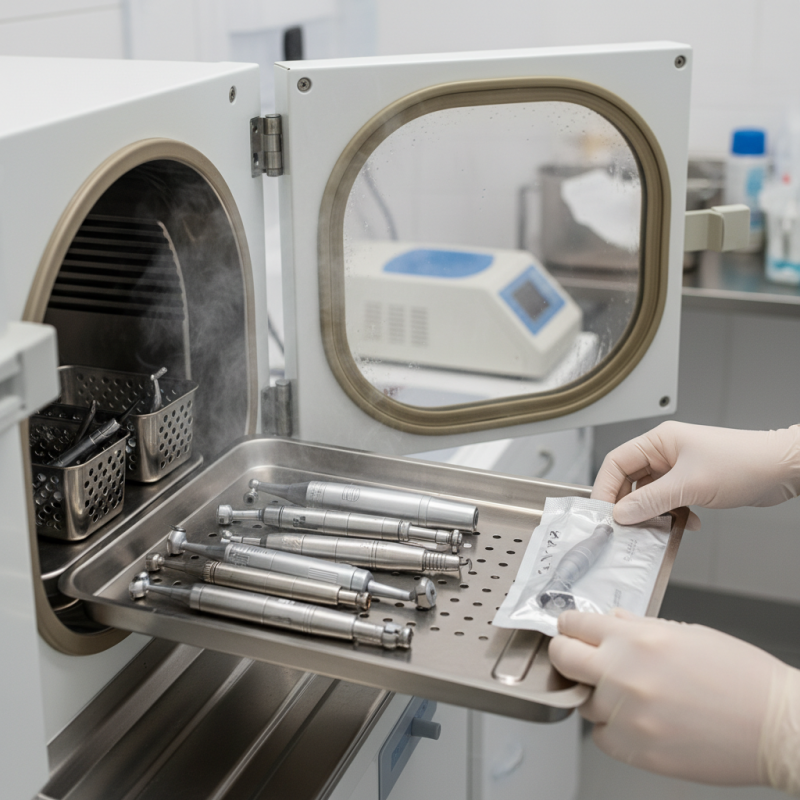
Sterilizing dental handpieces is crucial for patient safety. Contaminated tools can spread infections and diseases. Infections can have serious consequences, leading to extended recovery times. Dental handpieces come into direct contact with saliva and blood. This makes proper sterilization even more vital. Regular maintenance and cleaning should be routine for all dental practices.
Effective sterilization involves more than just cleaning. It requires the use of approved methods such as autoclaving or chemical disinfection. Each method has specific guidelines that should be strictly followed. Personnel must be trained in these procedures. However, inconsistencies can arise. Some staff may overlook essential steps or use improper settings. These oversights can result in inadequate sterilization and risk to patient health.
Tracking sterilization cycles is equally important. Regular checks help ensure that the process is functioning correctly. Using a log for monitoring can highlight potential issues. However, many facilities fail to keep accurate records. This can lead to complacency and unsafe practices. Understanding the importance of sterilizing dental handpieces is vital for both practitioners and patients alike.
: Sterilizing dental handpieces is vital for patient safety. Contaminated tools can spread infections and cause serious health issues.
Common methods include autoclaving and chemical disinfection. Each requires specific guidelines to ensure effectiveness.
Overlooking sterilization steps may lead to inadequate sterilization. This creates a risk to patient health and safety.
Practices should use logs to monitor sterilization cycles. Accurate records help identify potential issues and prevent complacency.
Proper loading is crucial. Overcrowding can prevent steam circulation and compromise the sterilization process.
Cleaning handpieces removes debris and lowers microbial load. Neglecting this step can lead to ineffective sterilization.
Autoclaves should be calibrated regularly. This ensures they reach the necessary temperature and pressure for effective sterilization.
Checking the autoclave’s indicator tape for color change confirms proper sterilization parameters were met.
Some practices may delay cleaning procedures, compromising safety. Timely cleaning is essential for effective sterilization.
Regular training and monitoring of staff are necessary. Inconsistencies can put patient health at risk if not addressed.
Sterilizing dental handpieces is crucial for maintaining patient safety and infection control in dental practices. Understanding the importance of this process lays the foundation for effective sterilization. When it comes to how to sterilize dental handpieces safely, choosing the right sterilization method, such as autoclaving or chemical sterilization, is essential. A thorough step-by-step cleaning guide ensures that handpieces are properly prepared before undergoing sterilization.
Furthermore, operating autoclaves requires adherence to best practices to ensure that all dental instruments are sterilized effectively. This includes regular maintenance of the autoclave and proper loading techniques. Lastly, ensuring safety and compliance with established guidelines is vital in the sterilization process to protect both patients and dental care providers. By following these comprehensive steps, dental professionals can ensure the highest standards of hygiene and patient care.

 Barclay Medical