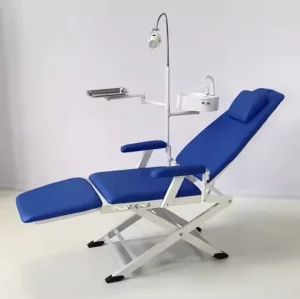
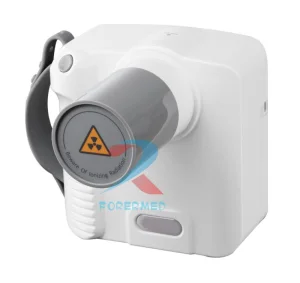
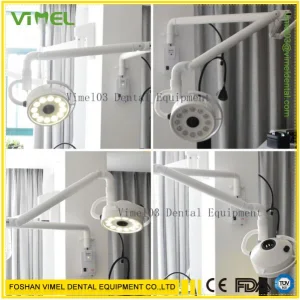
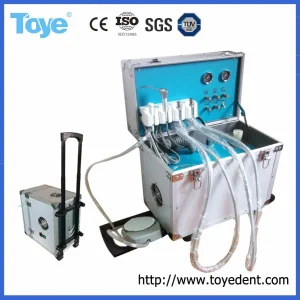
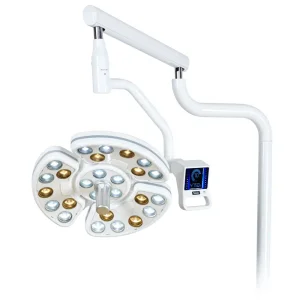
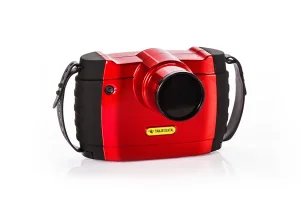
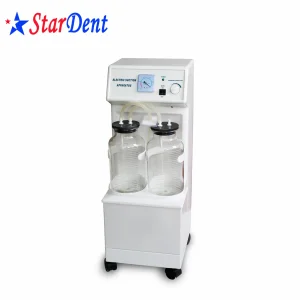
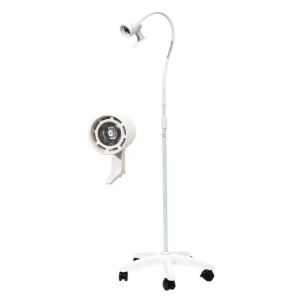
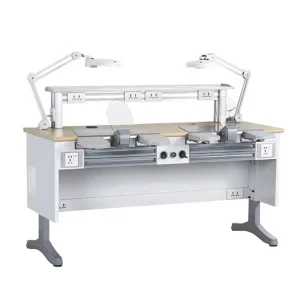
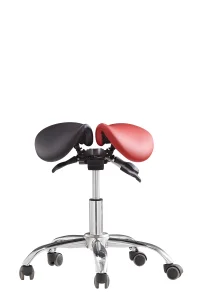
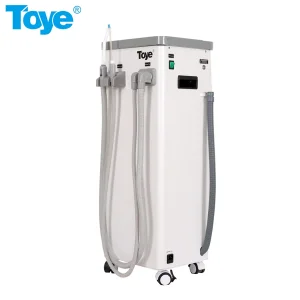
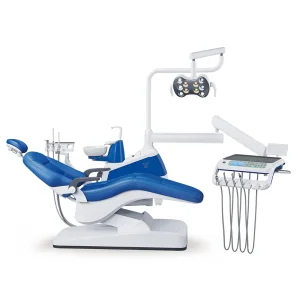
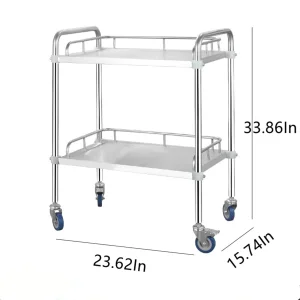
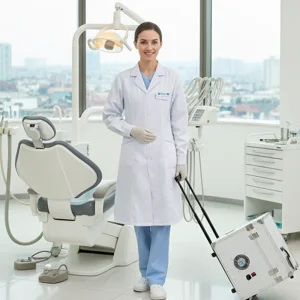
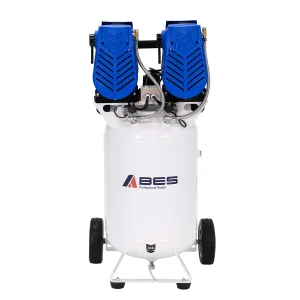
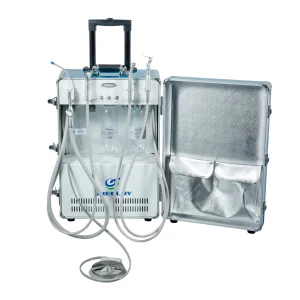
Explore our high-performance clinical products designed to integrate seamlessly into modern sterilization and operating workflows.
In the modern clinical ecosystem, infection prevention is the cornerstone of patient safety. Sterilization trays, cassettes, and rigid containment systems are critical class II medical devices designed to organize, protect, and maintain the sterility of surgical and dental instruments during transport, autoclave processing, and clean-room storage. The global sterilization tray market has witnessed a transformative paradigm shift, transitioning from single-use wrap systems to durable, reusable medical cassettes. This change is driven by strict healthcare regulations, such as ANSI/AAMI ST79 guidelines, EN 868-8, and ISO 11607 sterilization packaging standards.
As hospitals, private clinics, and surgical centers seek to optimize their central sterile services departments (CSSD), the demand for high-performance OEM/ODM sterilization trays has risen. These specialized components must withstand extreme environments, including autoclaving at 134°C (273°F), high-vacuum drying, ethylene oxide gas exposure, and vaporized hydrogen peroxide (plasma) cycles. Developing containment products that balance thermal conductivity, chemical resistance, and micro-precision layout tolerances requires advanced materials engineering and strict manufacturing processes.
Foshan Barclay Medical Co., Ltd., established in 2013 in Foshan City, Guangdong, is a leading manufacturer specializing in the design, development, and production of high-quality dental equipment and containment solutions. Our core product lines range from hydraulic and kids' dental units to professional disinfection units, customized implant kits, and premium sterilization container accessories. Under strict adherence to the "Quality First" principle, our factory ensures all products are CE certified and fully compliant with international medical device regulations, proudly serving clinical professionals across 50+ countries, including the USA, Europe, Australia, the Middle East, and South America.
Selecting the right materials is crucial when engineering medical-grade sterilization trays. The container must maintain structural integrity over hundreds of autoclave cycles without warping, degrading, or releasing toxic compounds. Below is an engineering comparison of the primary materials used by leading OEM/ODM sterilization tray factories.
| Material Class | Autoclave Life Expectancy | Chemical Resistance (Enzymatic/Alkaline) | Thermal Efficacy & Dry-Time | Primary Clinical Application |
|---|---|---|---|---|
| Stainless Steel (SUS 304 / 316L) | Excellent (>2,000 cycles) | High resistance to neutral and mildly acidic fluids | Moderate heat retention; requires optimized drainage holes | Heavy-duty surgical tools, orthopedic sets, general cassettes |
| PPSU (Polyphenylsulfone) | Outstanding (>1,500 cycles) | Very high; tolerates strong alkaline detergents | Rapid thermal equilibrium; excellent micro-dry cycle support | Dental handpieces, delicate microsurgery kits, ophthalmic trays |
| Anodized Aluminum (AlMg3 / 5052) | Good (500 - 1,000 cycles) | Sensitive to high pH; requires neutral pH detergents | Exceptional thermal conductivity; minimal wet-packs risk | Rigid container lids, lightweight implant screw organizers |
| Liquid Silicone Rubber (Medical Grade) | Excellent (retained flexibility) | Universal resistance across clinical sterilants | Insulating properties; used for protective clamping inserts | Custom instrument positioning brackets & protective retaining bars |
Our OEM/ODM engineering division works closely with medical product designers to choose materials that match their target applications. For example, for micro-neurosurgical and intricate dental tools, we construct composite cassettes featuring an electropolished stainless steel wire-mesh base. This design is combined with high-temperature injection-molded PPSU structural frames and custom-cut Shore 60A medical silicone inserts. This layout ensures maximum steam penetrability, prevents tool shifting, and mitigates the risk of residual moisture ("wet packs"), which is a common cause of sterilization failures.
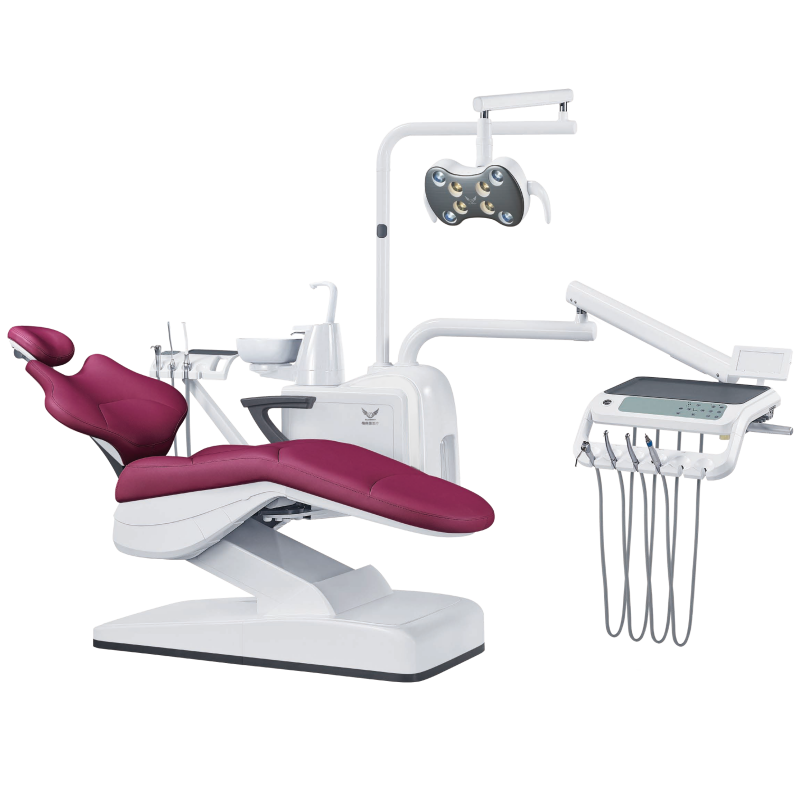
Figure 1: Inside Foshan Barclay Medical's high-precision clinical manufacturing and product testing assembly.
Customization is more than adjusting physical dimensions. It requires engineering a tray structure that complements the surgical workflow. At Foshan Barclay Medical Co., Ltd., we use a structured OEM/ODM pipeline to turn conceptual requirements into certified medical devices:
We create precise 3D models using SolidWorks. Computational fluid dynamics (CFD) simulations analyze steam flow patterns to ensure no air pockets obstruct sterilization paths.
Rapid prototyping via selective laser sintering (SLS) or CNC machining produces functional samples. We then perform physical stress, drop, and loading tests.
Prototypes undergo repetitive 134°C sterilization cycles. We check for structural warp, oxidation, degradation of anodized layers, and silicone embrittlement.
Our customization services support specialized regional features. Whether your market requires left-handed configurations, specific color coding for department identification, custom laser-etched branding, or specific compartment layouts for specialized dental procedures, our engineering team ensures the product complies with your local regulations.
Sourcing your sterilization trays from a specialized manufacturer in Foshan, China offers significant strategic advantages. Foshan has a highly integrated medical device cluster, providing immediate access to raw materials, surface treatment specialists, high-precision stamping facilities, and specialized logistics providers.
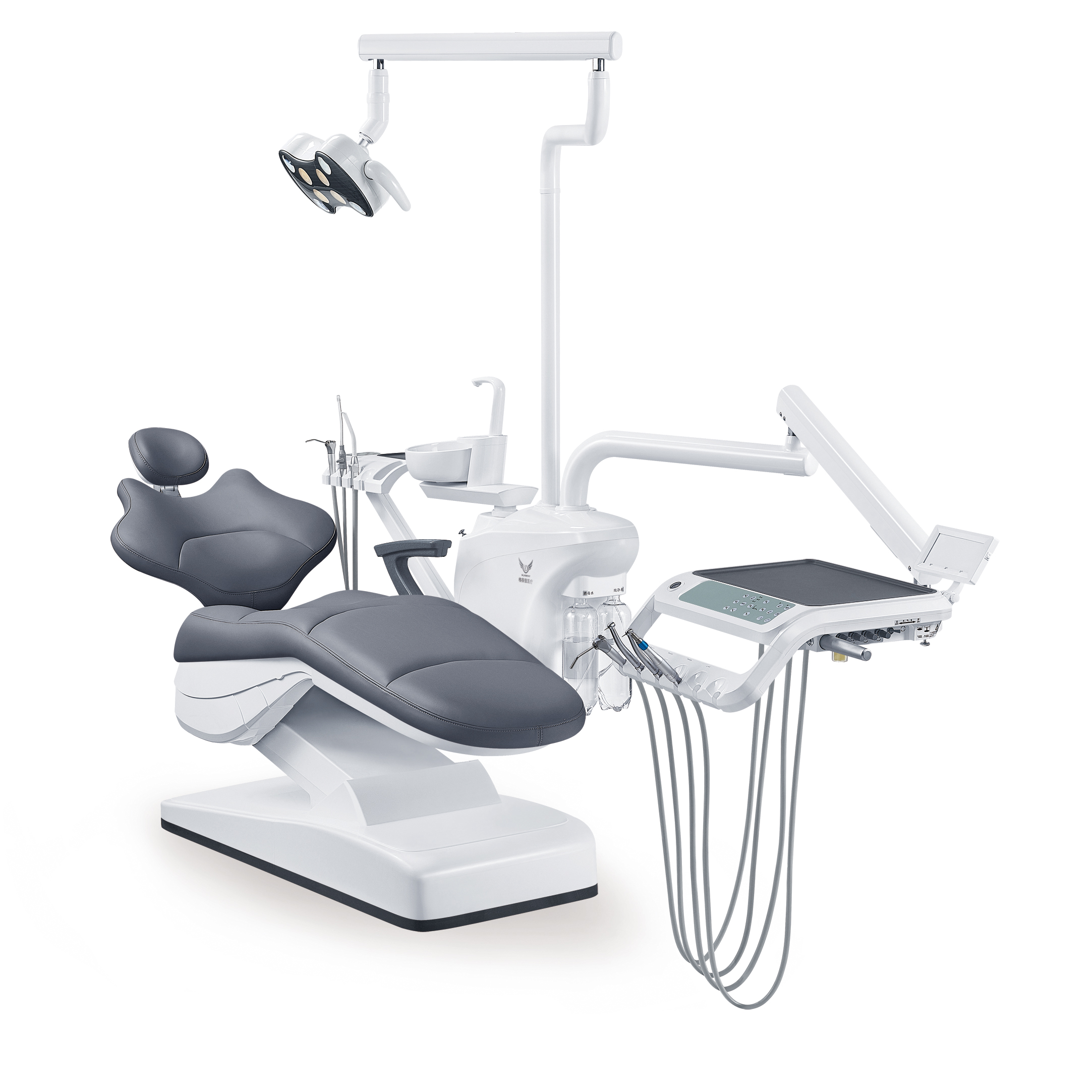
Figure 2: Foshan Barclay Medical's technical engineering team reviewing customized surgical cassette layouts.
Procurement departments must evaluate several critical performance and compliance factors to ensure long-term usability and safety when selecting a sterilization tray manufacturer:
Additionally, modern hospitals are adopting tracking technologies to trace instrument usage. Our OEM facility can integrate custom laser-marked QR codes, 2D data matrices, or heat-resistant RFID chip slots into your sterilization trays. This enables real-time tracking from the CSSD disinfection cycles directly to the operating room.
Technical clarifications and procurement guidance regarding medical & dental sterilization containers.
High-quality workspace, mobile support, and compression machinery to complete your clinical facilities.
 Barclay Medical