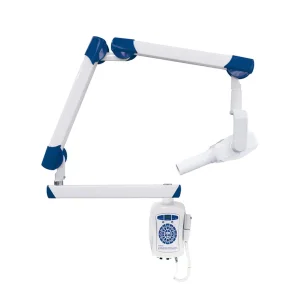
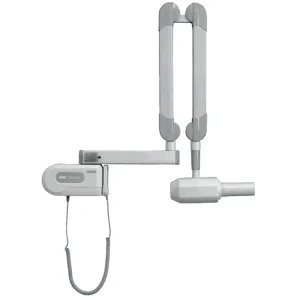
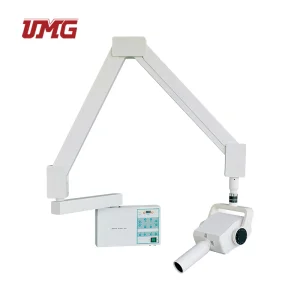
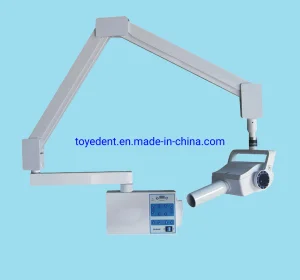
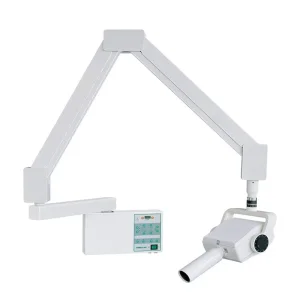
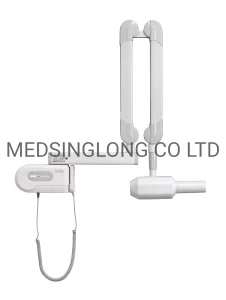
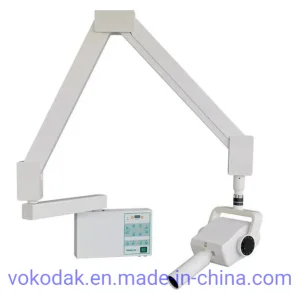
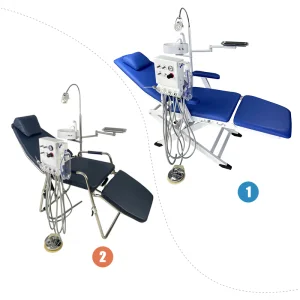
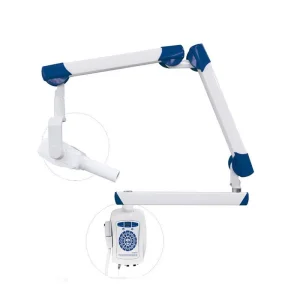
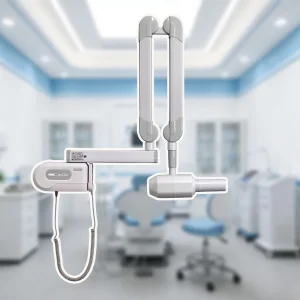
Precision-engineered wall-mounted setups optimized for space efficiency and ergonomic access in Hai Phong's modern clinical environments.
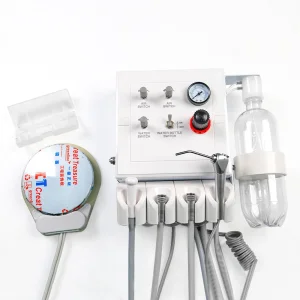
An analytical breakdown of infrastructure modernization and equipment demand within Vietnam's northern industrial powerhouse.
Hai Phong, historically known as the primary port city of Northern Vietnam, is undergoing a profound economic metamorphosis. Driven by massive foreign direct investment (FDI) in industrial zones like Dinh Vu-Cat Hai and VSIP, the city has witnessed a rapid rise in its urban middle class. This demographic shift is directly driving the modernization of localized healthcare infrastructure. Private dental chains, specialized oral health clinics, and municipal hospitals across districts such as Hong Bang, Le Chan, and Ngo Quyen are rapidly scaling their capabilities to meet the demand for advanced treatments, cosmetic dentistry, and digital intraoral diagnostics.
In this high-density urban environment, commercial real estate in central commercial districts commands premium lease rates. Consequently, dental practitioners are faced with the challenge of optimizing clinical square footage. Floor-mounted chairs and bulky freestanding diagnostics restrict motion and reduce patient comfort in compact operatory layouts. This spatial limitation is the primary catalyst driving the integration of wall-mounted dental units and wall-mounted intraoral X-ray machines. By shifting the structural footprint of the dental turbine delivery systems and imaging arms to the clinic's walls, operators secure clean pathways, enhance hygiene compliance, and create an uninhibited zone for the dental assistant and primary practitioner.
Furthermore, the industrial framework of Hai Phong as a trade gateway simplifies logistic connectivity with Southern China's manufacturing zones. As Foshan Barclay Medical Co., Ltd. is strategically situated near Guangdong's major shipping networks, transit times to the Port of Hai Phong are minimized. This geographical synergy enables local dental distributors and clinical groups to obtain high-precision dental devices without facing the high freight tariffs and protracted shipping delays typically associated with European or American equipment manufacturers.
Tailoring ergonomic configurations and imaging deployment to match local clinic layouts and infrastructural parameters.
In high-traffic urban areas of Hai Phong, clinic spaces are frequently converted from narrow multistory shophouses. In these environments, operating rooms are typically less than 10 square meters. An integrated floor-mounted chair configuration leaves minimal clearance for clean traffic lanes. By installing a wall-mounted dental turbine delivery unit coupled with a wall-mounted intraoral radiography system, the operational envelope is elevated off the floor. When the arm is retracted, it lies flat against the wall, allowing the treatment chair to be adjusted for other surgical processes or basic hygienic routines.
For mid-sized pediatric and orthodontic clinics, dental chairs are often aligned in an open-bay setup divided by low privacy partitions. Installing independent mobile cart dental units increases the danger of tripping hazards from exposed airlines and power cords. Implementing wall-mounted configurations directly onto the privacy columns or wall studs channels all utilities (compressed air, water lines, suction, electricity) securely through internal conduits. This setup enhances safety, supports aseptic protocols, and allows a single dental assistant to manage cleaning routines across multiple stations.
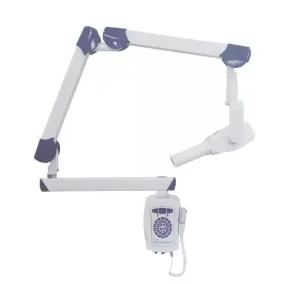
Modern endodontic and implantology practices require high-frequency dental X-ray systems immediately adjacent to the patient chair. Relocating patients to an independent imaging suite for check-ups delays surgical workflows. A wall-mounted high-frequency X-ray unit positioned above the patient's head allows the practitioner to perform intraoperative imaging, confirm root canal lengths, or verify implant angles without moving the patient. The pantographic double-jointed arm extends over the patient's oral cavity and stabilizes immediately, preventing motion blur on the digital sensor.
How engineering advancements are redefining the durability, safety, and integration of modern wall-mounted dental setups.
The dental equipment industry is moving away from traditional mechanical configurations toward smart, digital, and ergonomic systems. For wall-mounted installations, this transition is visible in the materials used and the digital integration of the hardware. The technical roadmaps of top-tier manufacturing units are focused on addressing key operational issues: arm drift, electromagnetic interference, tube head temperature regulation, and radiation dose optimization.
Transitioning from AC generators to 70KV high-frequency DC tube heads. This transition reduces soft skin radiation by up to 30%, ensuring crisp image generation with minimal exposure times. Engineering focus is on double-jointed counterbalanced mechanical arms with adjustable tension brakes to eliminate spatial drift.
Direct integration of intraoral radiographical units with RVG digital sensors and clinic management databases. Embedded sensors track tube head usage cycles, duty rate limits, and exposure trends. This allows service operators to monitor system health and plan preventive maintenance remotely.
Development of motorized, gyro-stabilized carbon-fiber arms that orient to pre-programmed angles based on the patient's profile. Safety systems will prevent exposure if target sensors detect misalignment, minimizing diagnostic retakes and improving clinic efficiency.
For distributors and dental practices in Hai Phong, investing in equipment designed with these technical directions in mind ensures long-term viability. Purchasing systems that feature modular electronic architectures simplifies future upgrades, allowing clinics to incorporate newer digital sensors or smart telemetry modules without replacing the entire physical installation.
Leveraging the world's most robust dental equipment ecosystem to supply high-quality, cost-effective equipment to Northern Vietnam.
Foshan Barclay Medical Co., Ltd., established in 2013 in Foshan City, Guangdong, operates at the heart of the global dental manufacturing supply chain. Over the past decade, the company has developed a comprehensive manufacturing system that handles the research, development, and assembly of high-end clinical equipment. Our product catalog includes hydraulic dental units, kids dental units, disinfection-focused setups, implant-configured chairs, and precision dental accessories.
By leveraging Foshan's deep supply chain network, Barclay Medical manages manufacturing costs effectively. This efficiency enables us to provide high-quality equipment to international buyers at a savings of more than 30% compared to Western competitors. We enforce strict quality control measures, ensuring all dental chairs and diagnostic systems carry CE certificates and meet global standards. We export to over 50 countries, serving clients across Europe, the Middle East, the United States, Australia, and South America.
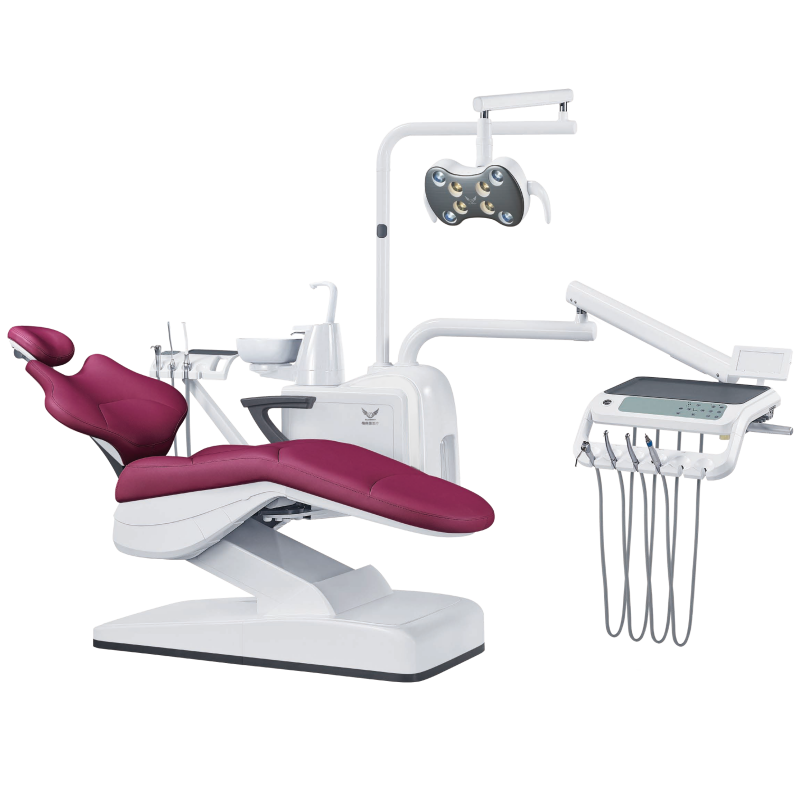
For the Hai Phong market, our proximity to the Guangzhou/Shenzhen port network means we can offer fast delivery lead times of within two weeks. This rapid turnaround helps local distributors and clinical operators manage inventory effectively and avoid project delays.
Navigating the changing regulatory landscape for medical equipment import in Vietnam and Southeast Asia.
Globally, regulatory oversight for dental devices is increasing. In Vietnam, the Ministry of Health (MoH) has implemented stricter guidelines, including Decree 98/2021/ND-CP, which regulates medical device classification, import licensing, and registry declarations. Dental diagnostic units and surgical chairs fall into Class B or Class C categories, requiring detailed documentation, clinical trials verification, and manufacturing quality certificates (such as ISO 13485 and CE declarations) for import customs clearance.
Foshan Barclay Medical Co., Ltd. provides comprehensive documentation support to help our Vietnamese distributors navigate these requirements. We supply verified technical dossiers, electromagnetic compatibility (EMC) test results, radiation safety certifications, and certified CE dossiers. This documentation streamlines the import process at port customs, ensuring our shipments reach their destination without regulatory delay.
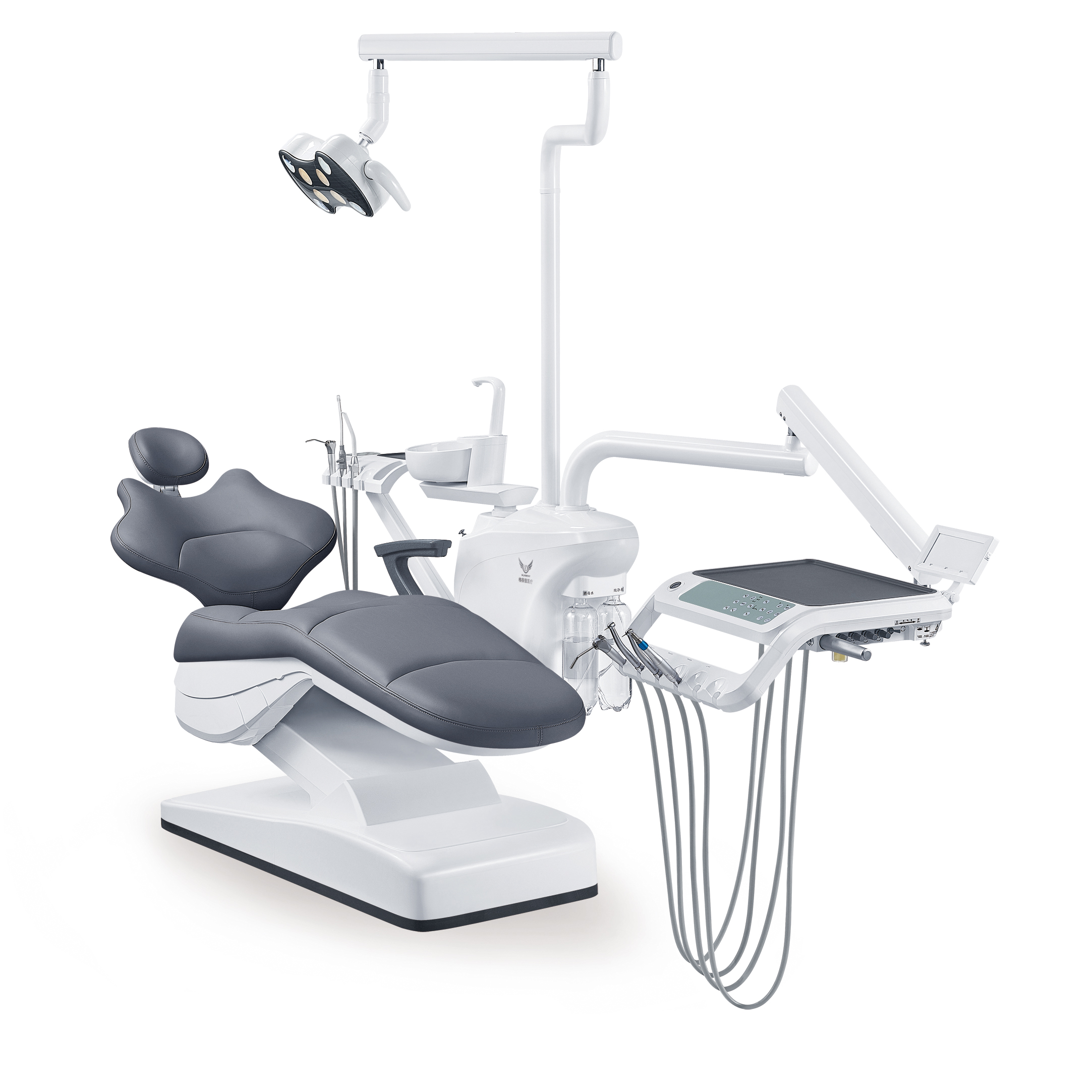
Our comprehensive range of dental delivery and diagnostic systems, built to meet the needs of modern clinical practices.
Answers to common questions regarding wall-mounted medical installations, shipping timelines, and regulatory compliance.
 Barclay Medical